Indore, Madhya Pradesh
Mon - Sat | By Appointment
UROLOGIC ONCOLOGY

Advanced Urologic Cancer Surgery & Treatment

Comprehensive evaluation and surgical management for kidney, bladder, prostate, testicular, and urinary tract cancers using advanced oncologic techniques and personalized treatment planning.

Kidney Cancer
Bladder Cancer
Prostate Cancer
Testicular Cancer
Urinary Tract Tumors
Urologic Cancer Treatment

Comprehensive Urologic Cancer Care

Advanced diagnosis, staging, surgical oncology, and personalized treatment planning for cancers affecting the urinary and male reproductive systems.

Urologic Oncology Procedures

Advanced Urologic Cancer Surgery

Specialized surgical management for cancers affecting the kidneys, urinary bladder, testicles and penis. Every procedure is selected according to cancer type, stage, imaging findings, pathology, organ function and the individual needs of the patient.

Procedure-Based Urologic Oncology Care

Urologic cancer surgery requires careful evaluation of the tumour, surrounding organs, lymph nodes and urinary function. Treatment may involve organ-preserving surgery or complete removal of the affected organ when clinically necessary.

Surgical planning focuses on appropriate cancer control, patient safety, functional recovery and coordinated postoperative care.

Detailed imaging and staging
Organ-preserving options
Open and minimally invasive surgery
Recovery-focused treatment planning
Urologic cancer surgery
Urologic Oncology Specialized surgical management
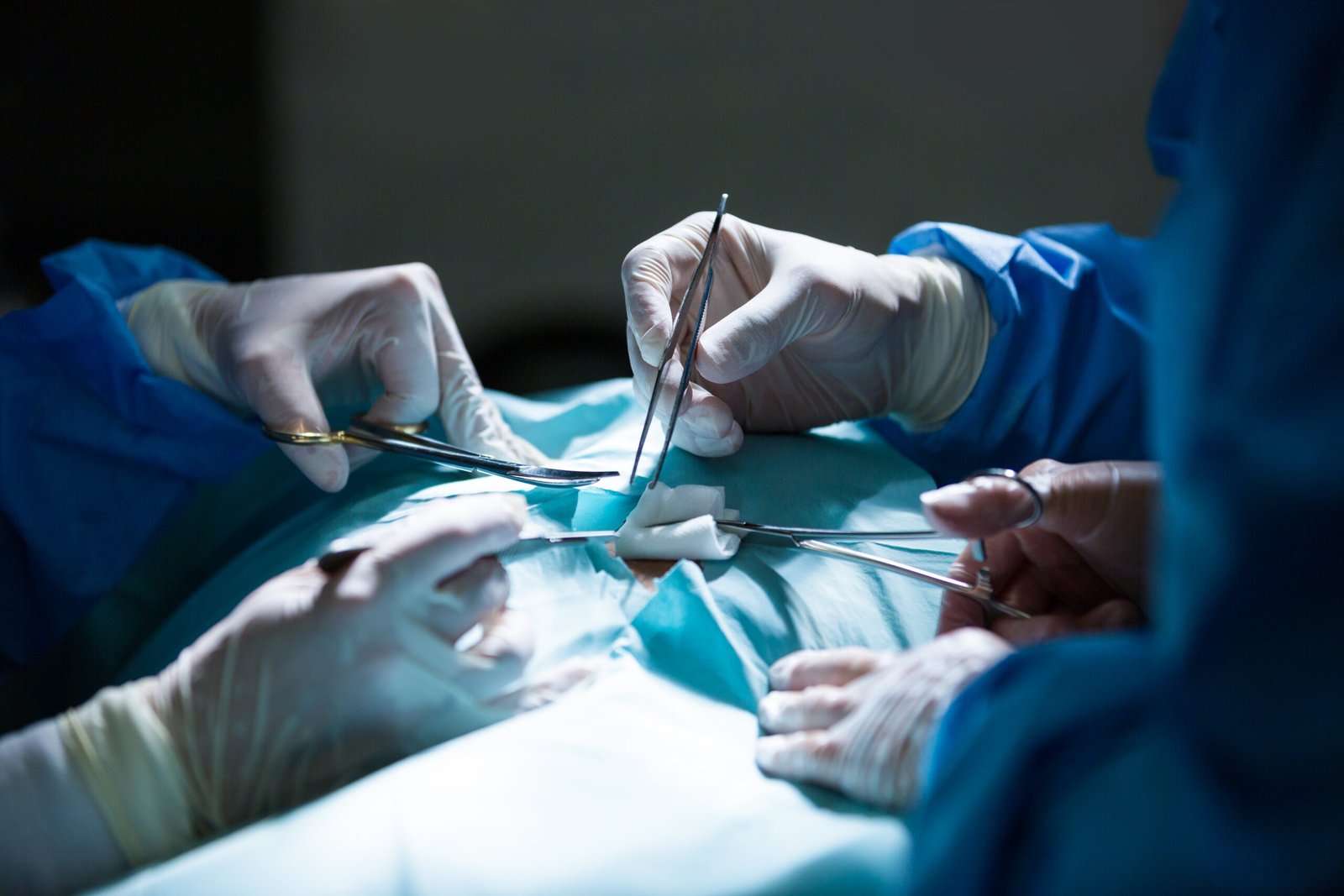
Partial and radical nephrectomy surgery
01

Partial & Radical Nephrectomy

Partial nephrectomy removes the kidney tumour while preserving the remaining healthy kidney wherever technically and medically appropriate. Radical nephrectomy involves removal of the entire affected kidney and may include relevant surrounding tissue depending on the extent of disease.

Kidney Cancer Surgery
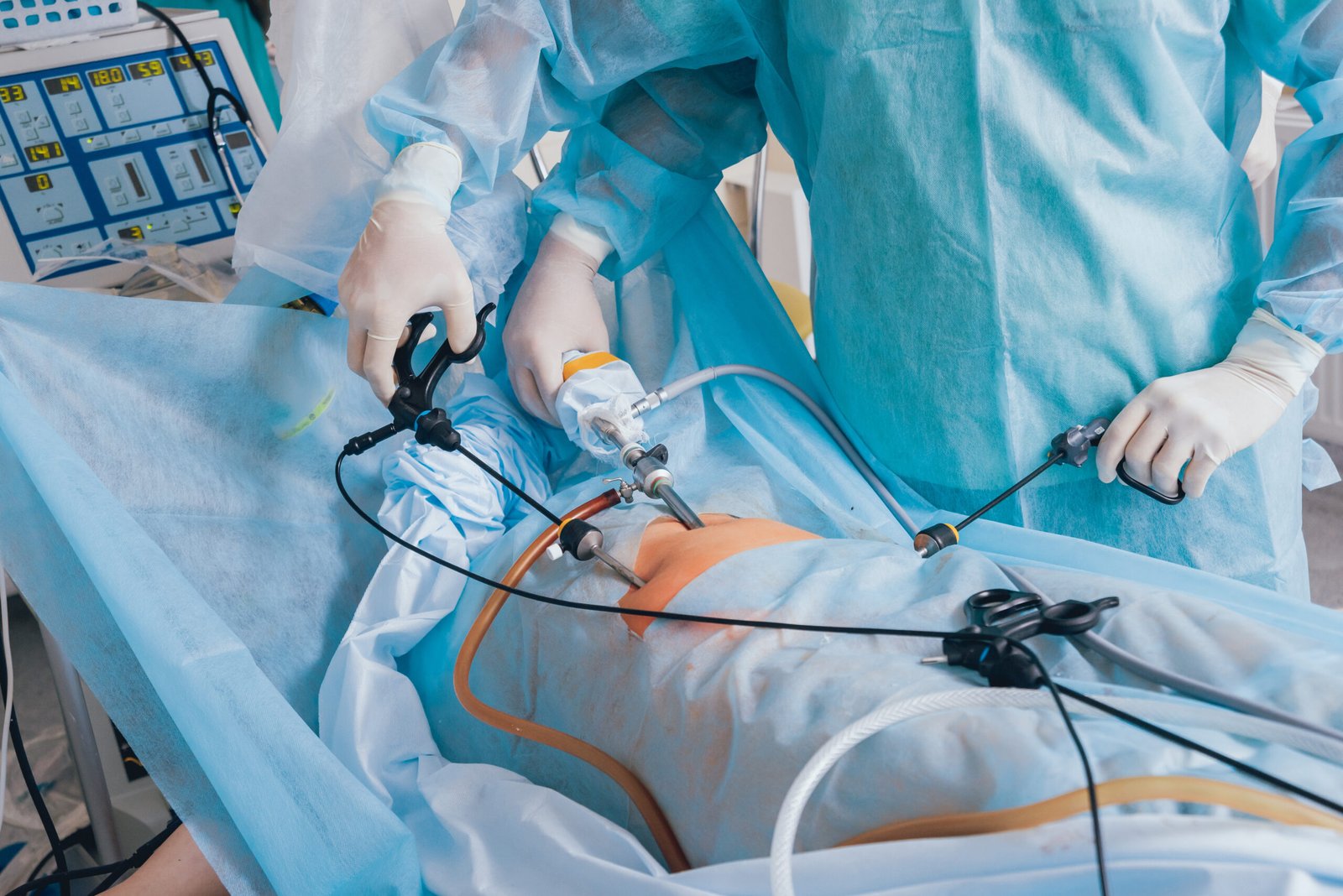
Radical cystectomy for bladder cancer
02

Radical Cystectomy

Radical cystectomy is performed for selected cases of muscle-invasive or high-risk bladder cancer. It involves removal of the urinary bladder with appropriate regional lymph-node assessment, followed by planning for urinary diversion according to the patientโ€™s condition and treatment requirements.

Bladder Cancer Surgery
Testicular cancer surgery
03

Testicular Cancer Surgery

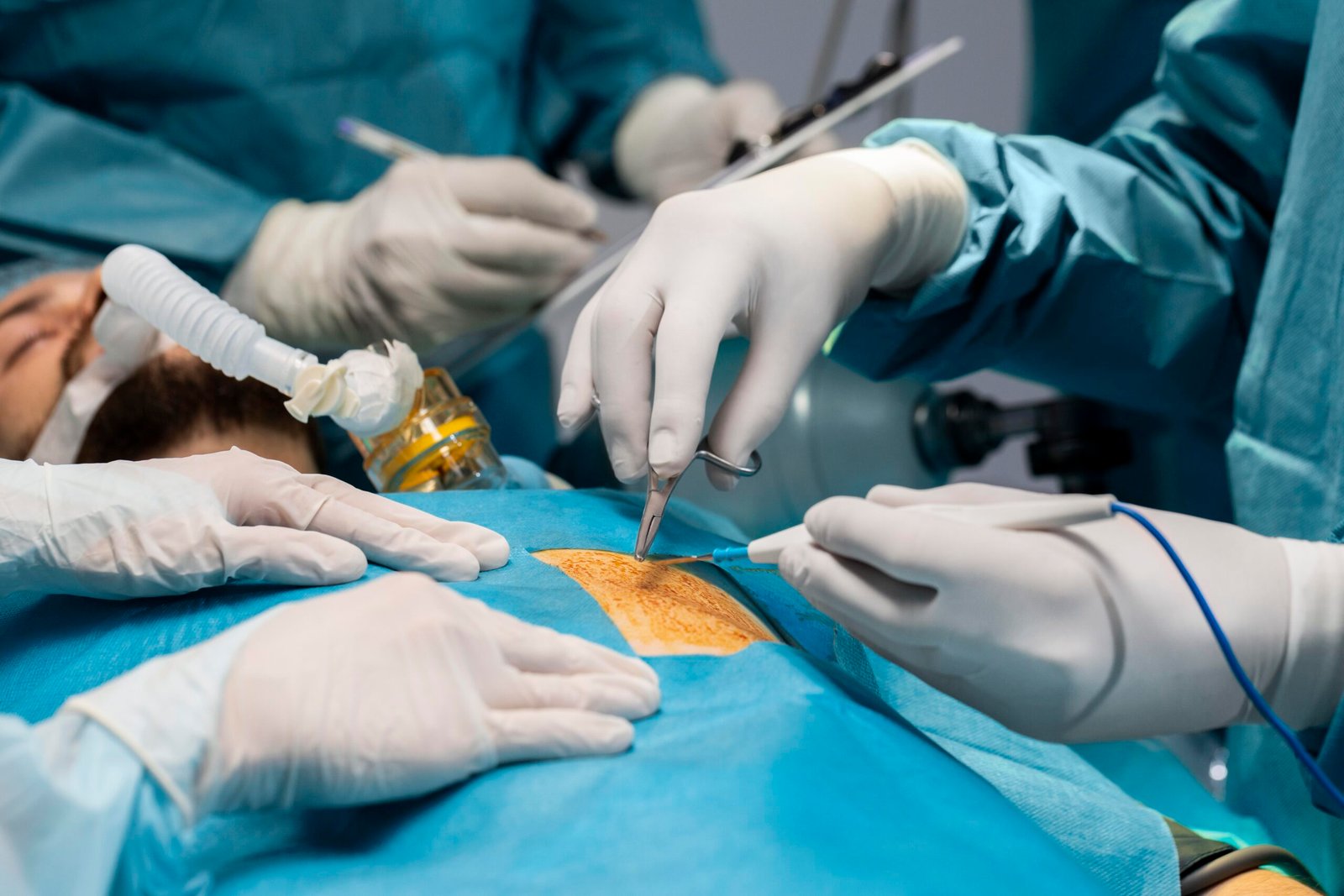
Surgical treatment commonly involves radical inguinal orchiectomy, in which the affected testicle is removed through an incision in the groin. Further treatment is planned according to pathology, tumour-marker levels, imaging findings and the stage of the disease.

Radical Inguinal Orchiectomy
Penile cancer surgery
04

Partial & Radical Penectomy

Penectomy may be recommended for selected penile cancers when organ-preserving treatment is not appropriate. Partial penectomy removes the affected portion while retaining as much function as clinically possible, whereas radical penectomy removes the entire penis when required for adequate cancer control.

Penile Cancer Surgery
Individualized Surgical Planning for Every Urologic Cancer Diagnosis The appropriate procedure is selected after reviewing cancer stage, imaging, pathology, organ function, general health and the expected functional and oncologic outcomes.
Procedure-Based Care
WARNING SIGNS

Symptoms That Should Never Be Ignored

Many urologic cancers may not produce obvious symptoms in early stages. Persistent urinary or reproductive system changes should always be medically evaluated.

Blood In Urine

One of the most important warning signs that may require immediate evaluation.

Flank Or Back Pain

Persistent pain near the kidneys may require further investigation.

Testicular Swelling

Any painless swelling or lump should be examined promptly.

๐Ÿฉบ

Early Diagnosis Improves Treatment Options

Timely medical evaluation helps identify urologic cancers earlier and supports more personalized treatment planning.

Difficulty Urinating

Weak urine flow, hesitancy, or incomplete emptying may need assessment.

Pelvic Discomfort

Persistent pelvic pressure or pain should not be ignored.

Unexplained Weight Loss

Sudden weight loss or fatigue may sometimes be associated with cancer.

When Should You See A Cancer Specialist?

Blood in urine, urinary difficulties, unexplained pain, testicular swelling, or persistent urinary symptoms should always be evaluated by a specialist to determine the underlying cause and rule out serious conditions.

Urologic Oncology Treatment

Urologic Cancer Treatment & Surgical Expertise

Specialized surgical management for cancers affecting the kidneys, urinary bladder, testicles, penis and adrenal glands. Treatment is planned according to cancer type, disease stage, imaging, pathology, organ function, general health and the individual needs of the patient.

Testicular Cancer Surgery

Treatment commonly begins with radical inguinal orchiectomy, in which the affected testicle is removed through an incision in the groin. Additional care is planned according to pathology, tumour markers, imaging and disease stage.

Partial & Radical Penectomy

Partial penectomy removes the affected portion while preserving as much function as clinically possible. Radical penectomy may be required when more extensive removal is necessary to achieve appropriate cancer control.

Adrenal Tumor Surgery

Surgical removal of selected adrenal tumours after hormonal assessment, imaging review and evaluation of tumour size, behaviour and involvement of surrounding structures.

Individualized Procedure Selection for Every Urologic Cancer Diagnosis Surgical recommendations are made after reviewing cancer stage, pathology, imaging, organ function, general health and expected oncologic and functional outcomes.
Personalized Surgical Planning
DIAGNOSIS & EVALUATION

Precision Diagnosis For Urologic Cancer Care

A structured diagnostic approach helps identify the exact cancer type, location, stage, and extent of disease, allowing treatment to be planned with greater accuracy.

๐Ÿ‘จโ€โš•๏ธ

Clinical Assessment

Detailed symptom review and physical examination.

๐Ÿงช

Urine Testing

Evaluation for blood, abnormal cells, and urinary markers.

๐Ÿ“ก

Ultrasound

Initial imaging assessment of kidneys and urinary tract.

๐Ÿ–ฅ๏ธ

CT Scan

Detailed cross-sectional imaging for diagnosis and staging.

๐Ÿ”

MRI

Advanced imaging for selected complex urologic cancers.

๐Ÿ”ฌ

Biopsy

Tissue confirmation to establish an accurate diagnosis.

๐Ÿ“‹

Treatment Planning

Individualized strategy based on stage and patient needs.

360ยฐ

Comprehensive diagnostic evaluation designed to support precise treatment decisions and long-term cancer management.

Comprehensive Evaluation Before Treatment

Every patient undergoes a detailed assessment to determine cancer location, extent of disease, and suitability for different treatment options. This helps create a personalized roadmap for effective cancer care.

Accurate Staging Understand disease extent
Personalized Care Tailored treatment planning
Better Decisions Evidence-based approach
EARLY DETECTION

Why Early Diagnosis Matters In Urologic Cancers

Recognizing warning signs early and seeking specialist evaluation can help identify urologic cancers at a stage where treatment options are broader and outcomes may be improved.

Early

Detection Creates More Opportunities

Timely evaluation can support accurate diagnosis, personalized treatment planning, and access to a wider range of treatment approaches.

01

More Treatment Options

Earlier-stage cancers may allow a greater range of surgical and treatment choices.

02

Potential Organ Preservation

Early diagnosis may increase opportunities for kidney-sparing and function-preserving approaches.

03

Improved Recovery Experience

Prompt treatment may help reduce treatment complexity and support recovery.

04

Personalized Cancer Care

Comprehensive evaluation helps tailor treatment according to disease stage and patient goals.

Dr Vipul Gupta

Personalized Urologic Cancer Care

Focused treatment planning with a commitment to achieving optimal oncologic and functional outcomes.

WHY PATIENTS TRUST DR. VIPUL GUPTA

Specialized Expertise In Urologic Cancer Surgery

Treatment of kidney, bladder, prostate, testicular, and adrenal cancers often requires precise surgical planning and multidisciplinary decision-making. Dr. Vipul Gupta provides individualized cancer care using modern surgical oncology principles and evidence-based treatment strategies.

Advanced

Surgical Oncology Training

Modern

Minimally Invasive Techniques

Personalized

Treatment Planning

01

Comprehensive Urologic Oncology

Specialized treatment planning for kidney, bladder, prostate, testicular, and adrenal cancers.

02

Minimally Invasive Cancer Surgery

Advanced laparoscopic techniques designed to support recovery and reduce postoperative discomfort.

03

Multidisciplinary Treatment Planning

Collaboration with oncology, pathology, and imaging specialists to develop personalized treatment pathways.

COMMON QUESTIONS

Urologic Cancer FAQ Center

Answers to common questions regarding diagnosis, surgery, recovery, and treatment planning for urologic cancers.

Personalized Treatment

Every cancer requires an individualized approach.

Advanced Surgical Care

Modern cancer surgery focused on outcomes.

Long-Term Follow-Up

Structured monitoring after treatment.

What are urologic cancers?

+

Urologic cancers include cancers of the kidney, bladder, prostate, testicles, ureter, and adrenal glands.

What causes blood in urine?

+

Blood in urine may occur due to infections, stones, or cancers of the urinary tract and should always be evaluated.

Can kidney cancer be cured?

+

Many kidney cancers can be treated effectively, particularly when diagnosed at an early stage.

Is surgery always required?

+

Treatment depends on cancer type, stage, and patient factors. Surgery is often important but not always the only option.

What tests are needed for diagnosis?

+

Evaluation may include urine tests, imaging studies, cystoscopy, biopsy, CT scan, MRI, and laboratory investigations.

Can kidney function be preserved?

+

In selected cases, kidney-sparing procedures such as partial nephrectomy may help preserve kidney function.

What is recovery like after surgery?

+

Recovery depends on the procedure performed, patient health, and whether minimally invasive techniques are used.

When should I see a cancer specialist?

+

Persistent urinary symptoms, blood in urine, flank pain, pelvic discomfort, or testicular swelling should be evaluated promptly.