📞 090390 76362 📍 Indore, Madhya Pradesh
```
GI CANCER TREATMENT

Advanced Gastrointestinal Cancer Surgery & Treatment

Comprehensive surgical management for cancers affecting the digestive system, including stomach, colon, rectum, liver, pancreas, and esophagus. Treatment plans are tailored according to cancer stage, patient health, and long-term recovery goals.

Stomach Cancer
Colon Cancer
Rectal Cancer
Liver Cancer
Pancreatic Cancer
GI Cancer Surgery

Specialized GI Oncology Care

Advanced surgical oncology solutions for digestive system cancers with emphasis on precision surgery, safety, and recovery-focused treatment planning.

GI CANCER TYPES

Digestive System Cancers We Treat

Specialized surgical oncology care for cancers affecting different parts of the gastrointestinal tract.

UPPER GI

Stomach Cancer

Advanced surgical management for gastric cancers.

COLORECTAL

Colon Cancer

Specialized colorectal cancer surgery.
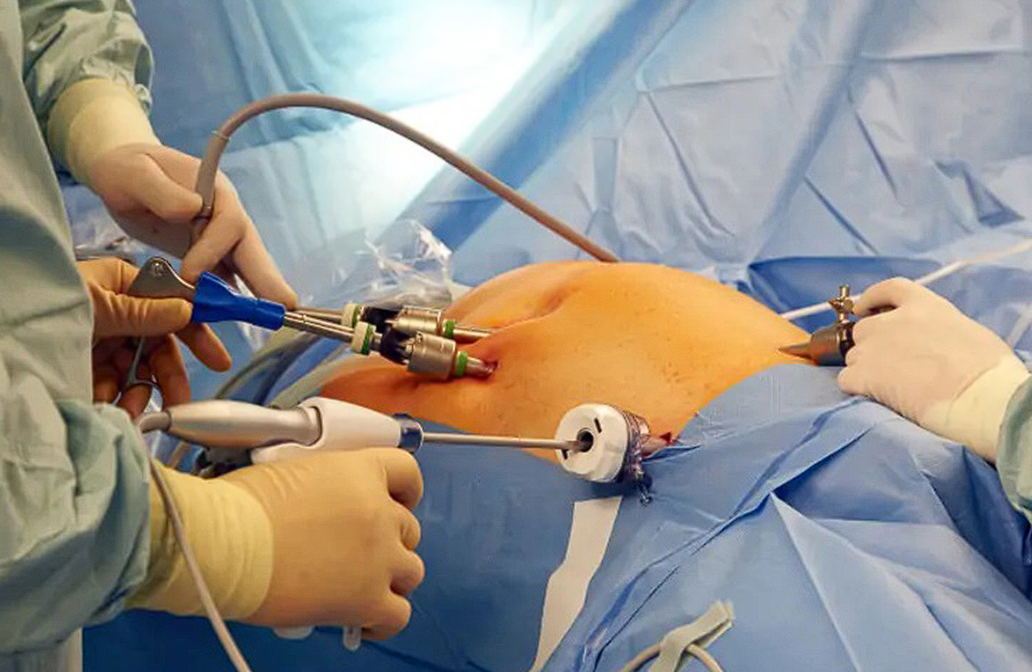
HEPATOBILIARY

Liver Cancer

Complex liver and biliary tumor surgery.
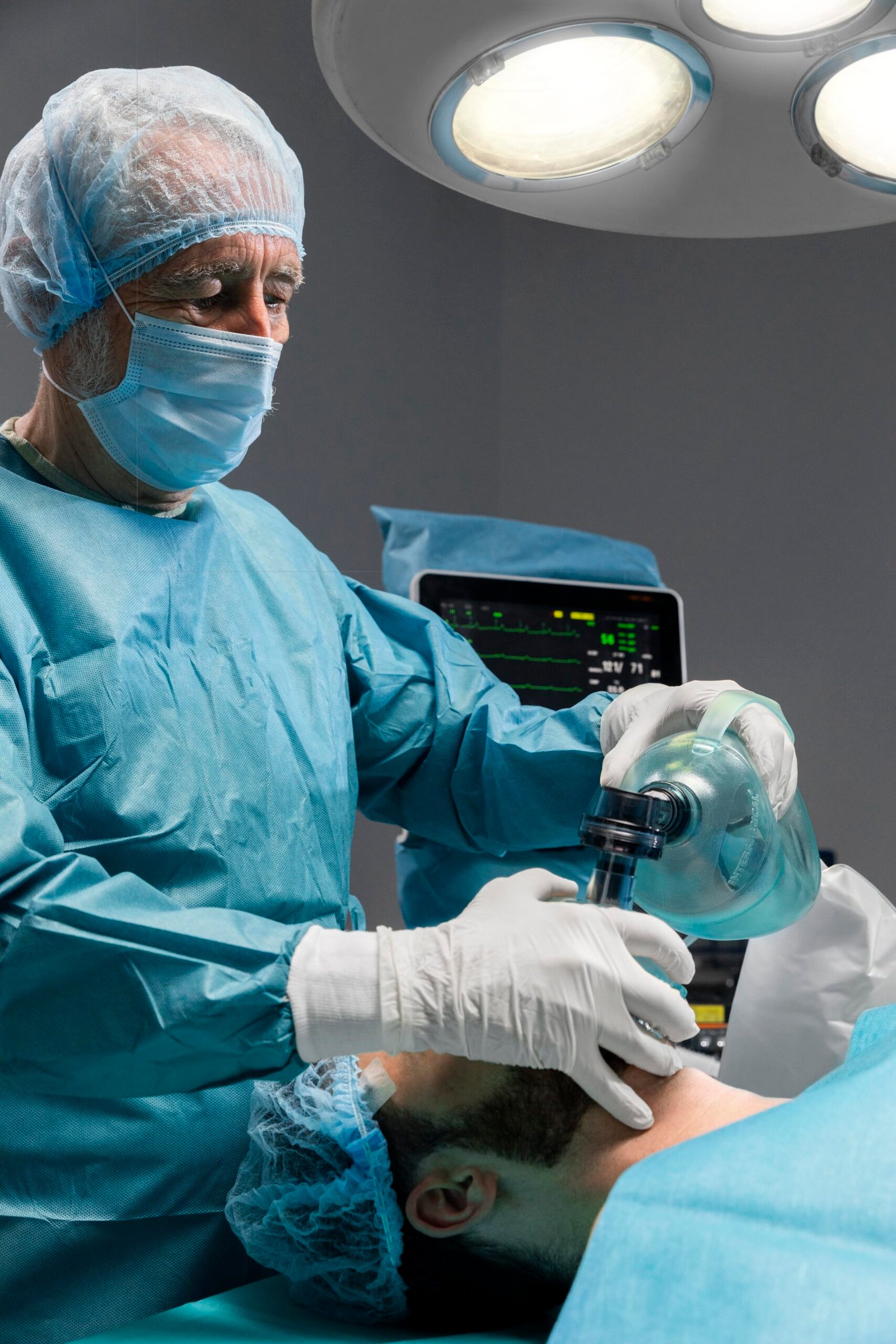
ADVANCED GI

Esophageal Cancer

Specialized upper digestive tract cancer care.
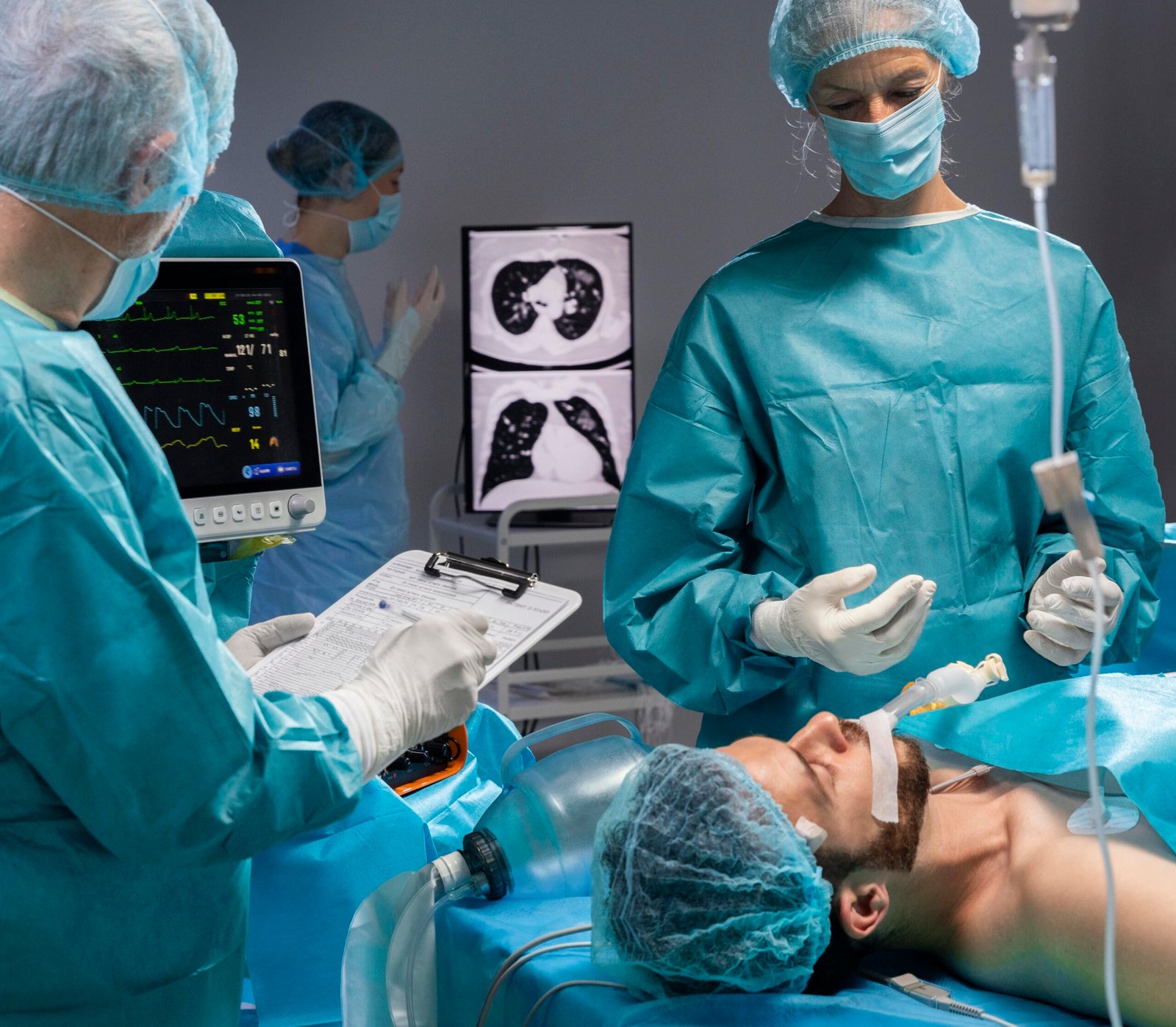
PANCREATIC

Pancreatic Cancer

Comprehensive pancreatic cancer treatment.

WARNING SIGNS

Symptoms That Should Not Be Ignored

Gastrointestinal cancers can present with subtle symptoms initially. Persistent digestive complaints should always be evaluated by a specialist.

Difficulty Swallowing

Persistent swallowing problems may indicate upper GI disease.

Persistent Indigestion

Ongoing digestive discomfort that does not improve.

Unexplained Weight Loss

Unexpected weight reduction without lifestyle changes.

🩺

Early Evaluation Matters

Prompt diagnosis often provides access to more treatment options and improved outcomes.

Blood In Stool

Can be a warning sign of colorectal cancer and requires assessment.

Change In Bowel Habits

Persistent constipation, diarrhea, or altered bowel patterns.

Abdominal Pain

Persistent discomfort, bloating, or unexplained abdominal symptoms.

If symptoms persist for more than a few weeks, specialist consultation is recommended. Early diagnosis can significantly influence treatment options and recovery outcomes.

DIAGNOSTIC EVALUATION

Advanced Diagnosis & Cancer Assessment

Accurate diagnosis is the foundation of effective GI cancer treatment. Multiple investigations may be required to determine the location, extent, and stage of disease.

🩺

Clinical Evaluation

Detailed assessment of symptoms and medical history.

📹

Endoscopy

Visualization of the digestive tract using specialized scopes.

🔬

Biopsy

Tissue sampling for definitive diagnosis.

🖥️

CT Scan

Detailed imaging to assess tumor extent.

PET Scan

Evaluation of disease spread when required.

📋

Treatment Planning

Personalized multidisciplinary treatment strategy.

Precision Diagnosis Enables Better Outcomes

A thorough diagnostic workup helps identify the exact cancer type, stage, and treatment pathway, allowing the most appropriate surgical and oncological treatment plan to be developed.

EARLY DETECTION

Why Early Diagnosis Can Improve Outcomes

Many gastrointestinal cancers are highly treatable when identified early. Timely evaluation allows access to more treatment options and can reduce treatment complexity.

Early

Diagnosis Creates More Options

Recognizing symptoms early and seeking specialist evaluation may help identify cancer at a stage when treatment is more straightforward and recovery outcomes are often improved.

01

Less Extensive Treatment

Earlier-stage cancers may require less complex surgical intervention.

02

More Treatment Choices

Early diagnosis can provide access to a wider range of treatment approaches.

03

Improved Recovery Potential

Patients may experience smoother recovery and better quality-of-life outcomes.

04

Better Long-Term Monitoring

Structured follow-up care supports ongoing health management after treatment.

COMMON QUESTIONS

Frequently Asked Questions About GI Cancer

Answers to some of the most common concerns regarding gastrointestinal cancers, diagnosis, surgery, and recovery.

What are gastrointestinal (GI) cancers?

+

GI cancers include cancers of the stomach, colon, rectum, liver, pancreas, gallbladder, and esophagus.

What are the common symptoms of GI cancer?

+

Symptoms may include abdominal pain, unexplained weight loss, difficulty swallowing, blood in stool, or changes in bowel habits.

Which tests are used for diagnosis?

+

Diagnosis may involve endoscopy, colonoscopy, biopsy, CT scans, PET scans, and laboratory investigations.

Can GI cancers be treated with minimally invasive surgery?

+

Many GI cancers can be treated using laparoscopic techniques depending on the cancer type and stage.

How long is recovery after GI cancer surgery?

+

Recovery varies according to the procedure performed, overall health, and individual treatment requirements.

Why is early diagnosis important?

+

Early detection often allows access to more treatment options and can improve overall outcomes.