Comprehensive breast cancer diagnosis, breast conservation surgery, mastectomy, lymph node evaluation, and individualized treatment planning focused on achieving optimal cancer outcomes and quality of life.

Advanced diagnosis, staging, breast surgery, and multidisciplinary treatment planning tailored to every patient.
Specialized diagnosis, breast cancer surgery, breast conservation procedures, and personalized treatment planning for different types of breast cancer.
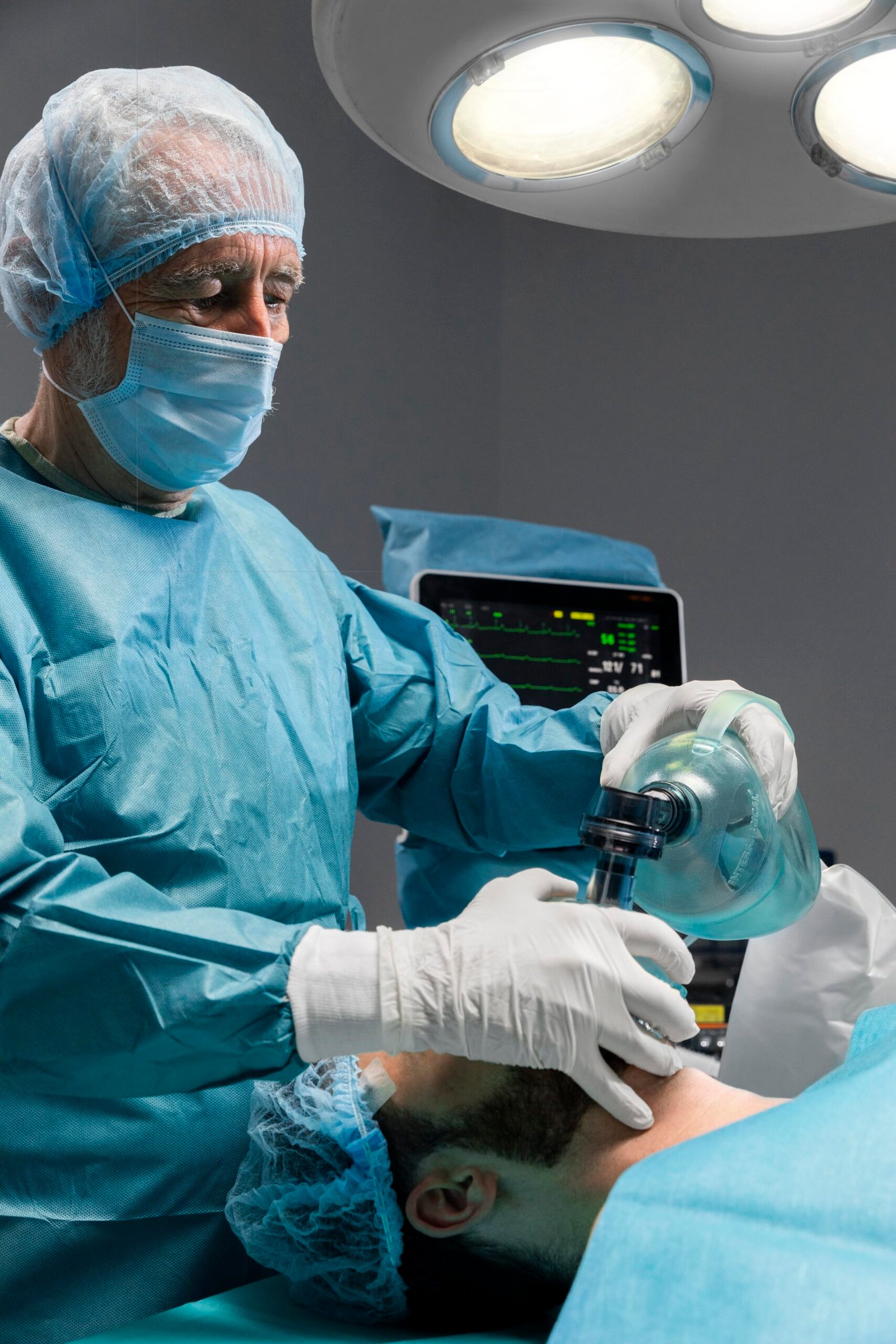
The most common form of breast cancer, often requiring surgery and multidisciplinary cancer care.
Most Common Type
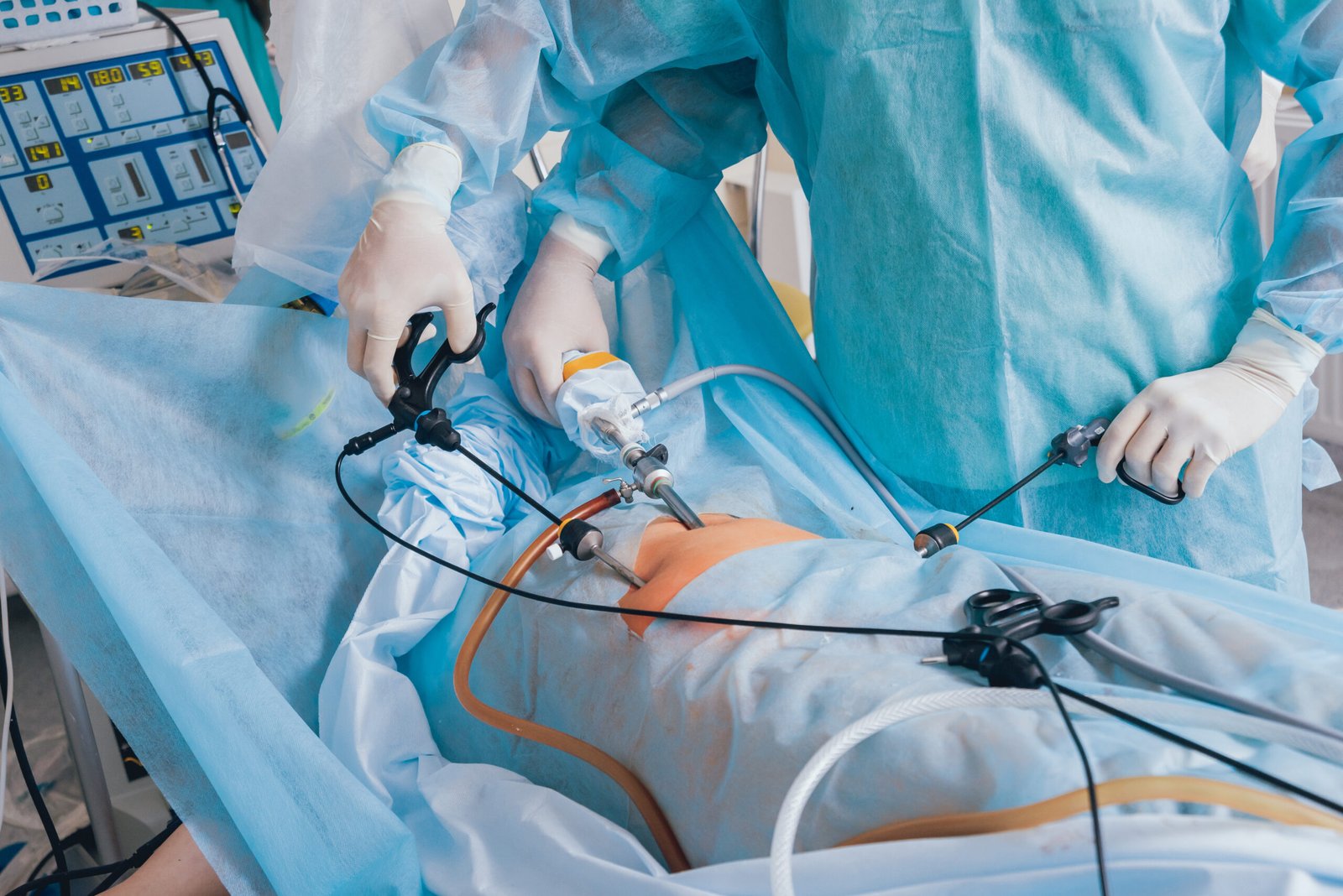
An early-stage breast cancer confined to the milk ducts and often detected through screening.
Early Detection
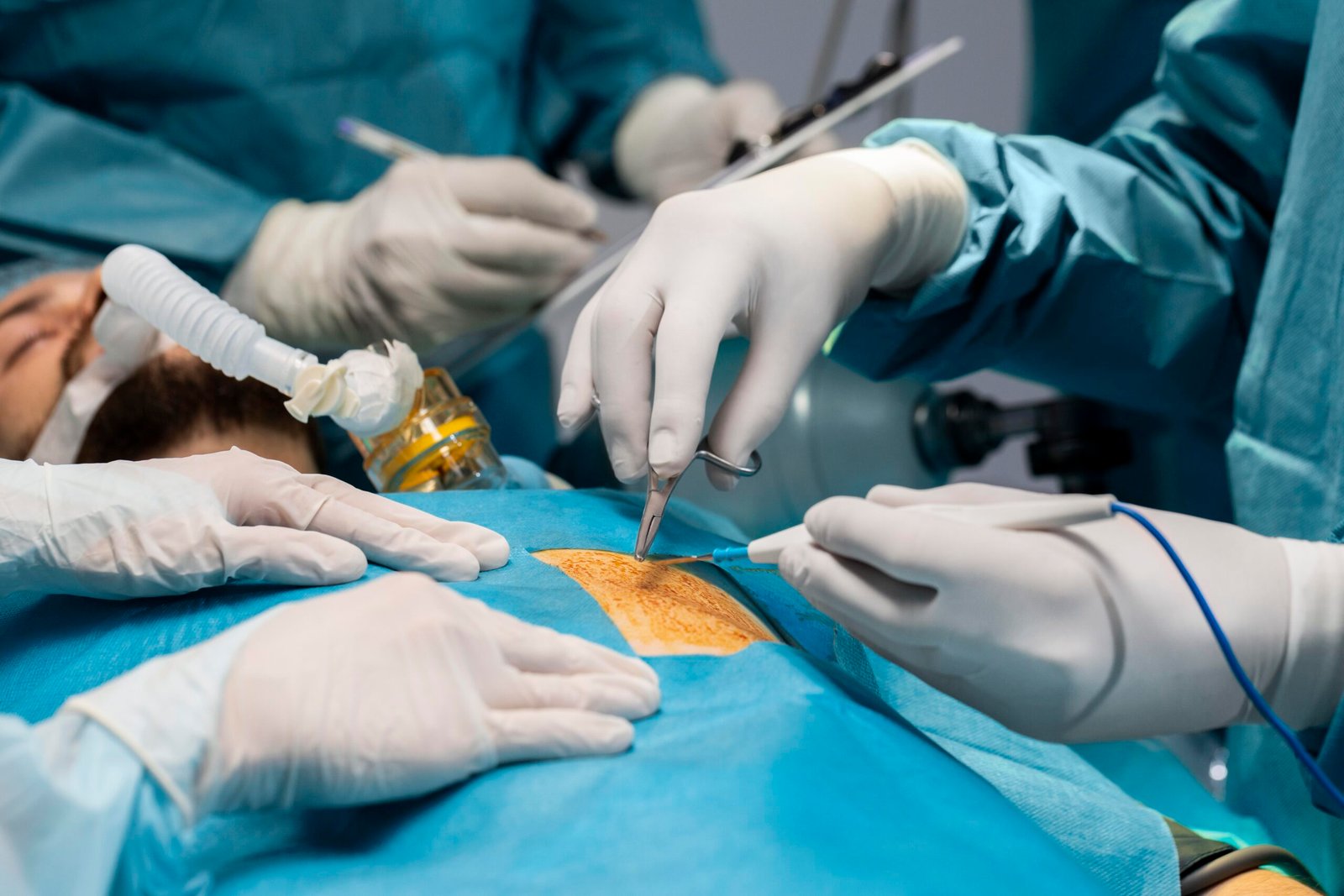
A breast cancer arising from milk-producing glands requiring specialized evaluation and care.
Specialized Care
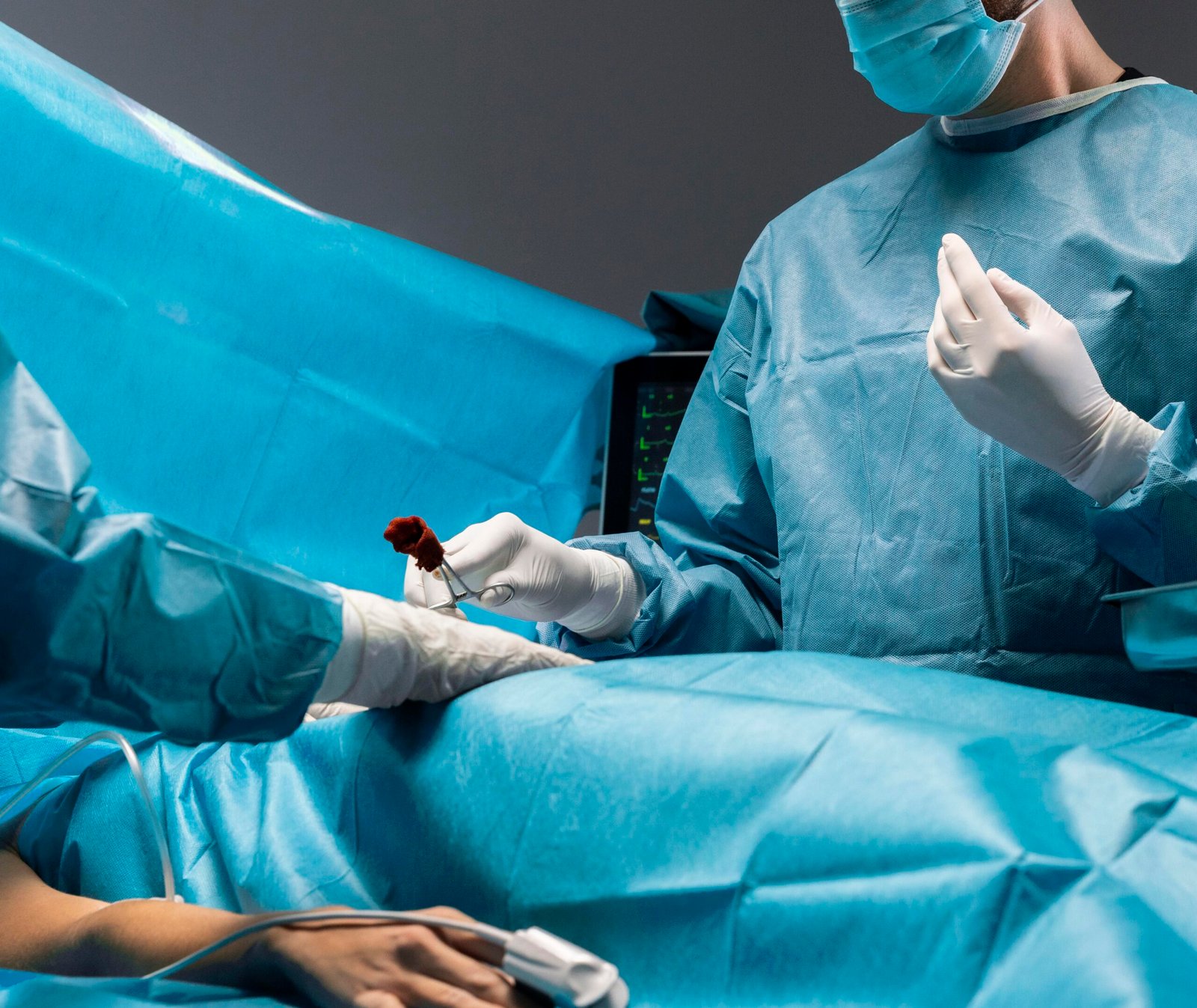
A biologically aggressive subtype requiring comprehensive treatment planning.
Advanced Oncology
A distinct breast cancer subtype managed through personalized multidisciplinary care.
Targeted TreatmentTreatment recommendations are based on tumor biology, cancer stage, imaging findings, pathology reports, lymph node involvement, and overall patient health to create the most appropriate treatment pathway for each individual.
Breast cancer may not cause symptoms in its earliest stages. Recognizing persistent changes in the breast and seeking timely medical evaluation can support earlier diagnosis and treatment.
A new lump or area of thickened breast tissue that feels different from surrounding tissue.
Noticeable changes in breast contour, symmetry, or appearance.
Indentation or puckering of the breast skin resembling an orange peel texture.
Regular breast awareness, screening, and prompt evaluation of unusual symptoms can help identify breast cancer at an earlier stage when treatment options may be more effective.
New nipple inversion, retraction, scaling, or persistent changes in appearance.
Unexplained discharge, particularly if bloody or occurring without squeezing.
Enlarged lymph nodes or persistent swelling around the underarm region.
Any new breast lump, nipple change, skin dimpling, unexplained breast swelling, persistent pain, or abnormal nipple discharge should be evaluated promptly. Early assessment can help determine the cause and guide appropriate treatment if needed.
Advanced surgical and multidisciplinary treatment for cancers affecting the female reproductive system. Every treatment plan is tailored to the individual needs of the patient while focusing on optimal cancer control, recovery, and long-term quality of life.
Comprehensive management of ovarian cancer including advanced surgical procedures, tumor debulking, staging surgery, and coordinated multidisciplinary treatment designed to improve outcomes and survival.
Specialized treatment for cervical cancer using modern surgical techniques and evidence-based treatment protocols. Care is customized according to cancer stage, patient needs, and long-term health goals.
Expert surgical treatment for cancers of the uterus using modern techniques focused on safety and recovery.
Comprehensive evaluation and treatment designed to achieve the best possible long-term outcomes.
Individualized treatment plans emphasizing effective cancer control while preserving function whenever possible.
Specialized care for rare gynecologic cancers with a multidisciplinary treatment approach.
While many breast changes are non-cancerous, certain symptoms should never be ignored. Early medical evaluation can help identify problems sooner and improve treatment options if cancer is present.
New lump or thickening in the breast or underarm region.
Unexpected discharge, particularly bloody or persistent discharge.
Puckering or orange-peel appearance of breast skin.
Sudden inward turning of the nipple.
Unusual enlargement or swelling affecting part of the breast.
Localized breast pain that does not improve over time.
Timely evaluation allows access to more treatment choices, less extensive surgery, improved cosmetic outcomes, and better long-term results.
Diagnosis often allows simpler and more effective treatment planning.
Opportunities for breast conservation and less extensive surgery.
Recovery, cosmetic outcomes, and quality of life after treatment.
Identify any breast lump, discharge, swelling, or skin changes.
Comprehensive examination and specialist consultation.
Imaging and biopsy help confirm diagnosis accurately.
Individualized strategy based on stage and patient needs.
Ongoing monitoring and support after treatment.
Early consultation can provide clarity, timely diagnosis, and access to the most appropriate treatment options.
Every patient follows a carefully planned treatment pathway designed to ensure accurate diagnosis, effective treatment, and long-term recovery support.
Detailed clinical assessment, review of symptoms, medical history, and discussion of concerns.
Mammography, ultrasound, MRI, and other investigations help define the nature of the abnormality.
Tissue diagnosis confirms the presence of cancer and helps determine the best treatment strategy.
Additional evaluation determines the extent of disease and guides treatment planning.
Breast conservation surgery, mastectomy, or other procedures performed according to the treatment plan.
Ongoing monitoring, rehabilitation, and long-term surveillance for optimal outcomes.
From diagnosis to recovery, every stage of treatment is carefully coordinated to ensure clarity, confidence, and personalized support throughout the breast cancer journey.
Every treatment plan is tailored to the patient's diagnosis, stage of disease, recovery goals, and long-term quality of life.
Combining advanced oncologic training, evidence-based treatment planning, and compassionate patient care to deliver comprehensive breast cancer management.
Advanced surgical oncology training from one of India's leading cancer institutions.
Preserving healthy breast tissue whenever medically appropriate while ensuring cancer control.
Individualized surgical strategies designed around each patient's condition and goals.
Surgical Oncology Specialist
Individualized Treatment Planning
Modern Cancer Surgery Techniques
Answers to some of the most common concerns patients have regarding diagnosis, surgery, treatment, and recovery.
Understanding your diagnosis and treatment options can help you make informed decisions with greater confidence and peace of mind.
No. Many breast lumps are benign, but every new lump should be evaluated by a specialist.
Many patients may be suitable for breast conservation surgery depending on tumor size and stage.
It is a procedure used to determine whether cancer has spread to nearby lymph nodes.
Recovery varies depending on the procedure performed and individual patient factors.
Regular follow-up is important because recurrence can occur in some cases.
Additional treatments depend on biopsy findings, staging, and overall treatment planning.