📞 090390 76362 📍 Indore, Madhya Pradesh
```
THORACIC ONCOLOGY

Advanced Lung Cancer Surgery & Treatment

Comprehensive evaluation and surgical management for lung cancer using modern oncologic principles, advanced imaging, and personalized treatment planning to achieve optimal outcomes.

Non-Small Cell Lung Cancer
Small Cell Lung Cancer
Lung Nodules
Thoracic Tumors
Metastatic Lung Lesions

Specialized Thoracic Cancer Care

Advanced diagnosis, staging, and surgical treatment planning for lung and chest cancers.

LUNG CANCERS WE TREAT

Comprehensive Thoracic Cancer Care

Specialized evaluation and surgical treatment for different types of lung cancers and thoracic tumors using modern oncologic techniques.

Non-Small Cell Lung Cancer

The most frequently diagnosed form of lung cancer, often treated using surgery and multidisciplinary cancer care.

Most Common Type
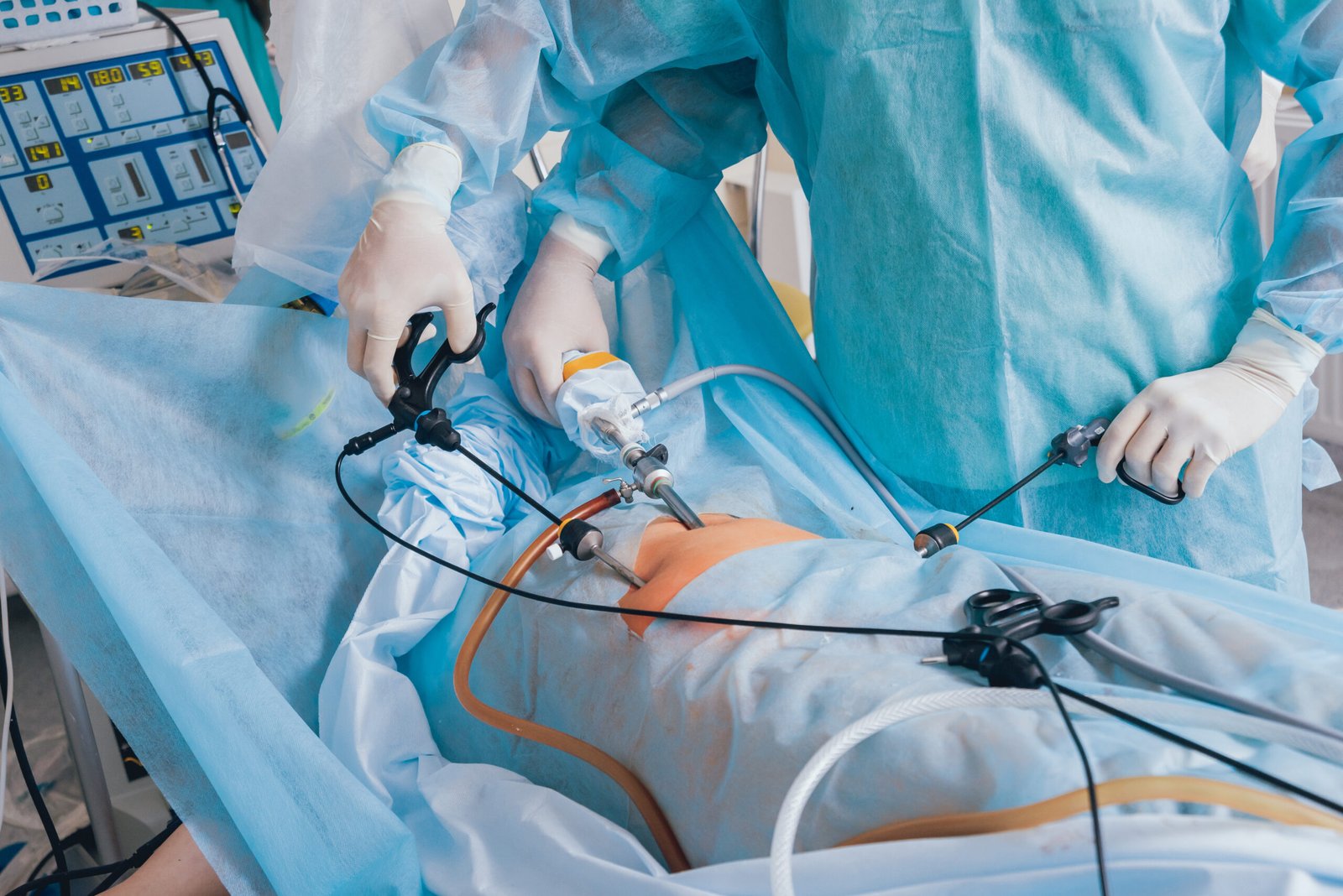
Small Cell Lung Cancer

An aggressive form of lung cancer that requires timely diagnosis and individualized treatment planning.

Rapid Evaluation

Lung Nodules

Assessment of suspicious nodules to determine the need for surveillance, biopsy, or treatment.

Early Detection

Thoracic Tumors

Management of tumors arising within the chest cavity and surrounding thoracic structures.

Thoracic Oncology
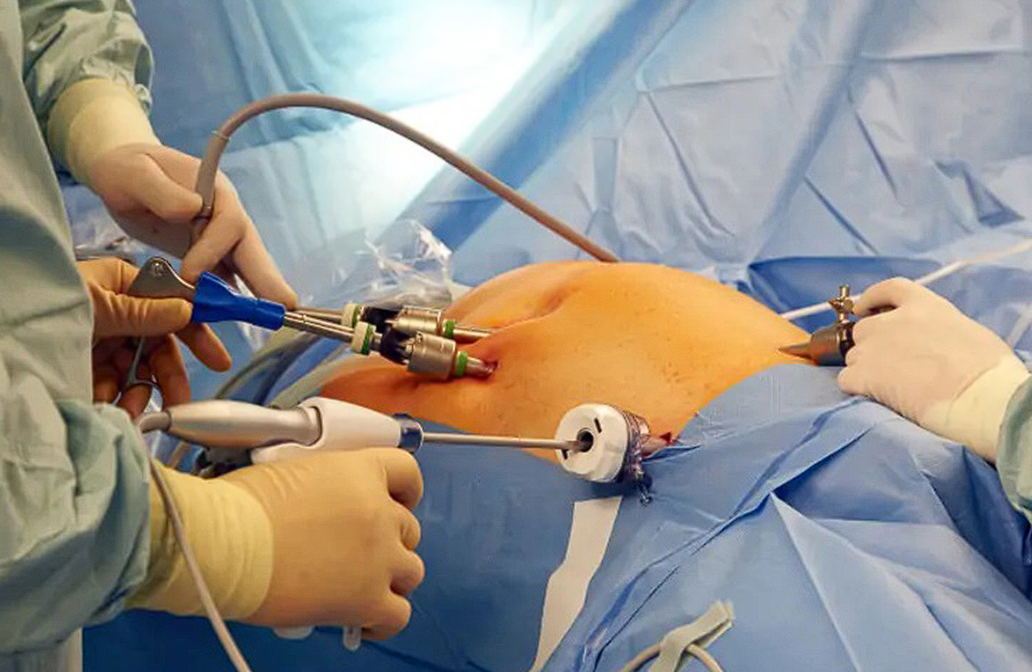
Metastatic Lung Lesions

Evaluation and treatment of cancers that have spread to the lungs from other organs.

Advanced Care

Personalized Treatment For Every Diagnosis

Treatment recommendations are based on cancer type, staging investigations, imaging findings, lung function assessment, and overall patient health to achieve the most appropriate treatment pathway.

WARNING SIGNS

Symptoms That Should Never Be Ignored

Lung cancer symptoms can sometimes be subtle in the early stages. Persistent respiratory symptoms should always be evaluated by a specialist.

Persistent Cough

A cough that does not improve or continues to worsen over time may require medical evaluation.

Coughing Blood

Even small amounts of blood in sputum should be investigated promptly.

Chest Pain

Persistent chest discomfort, especially when breathing deeply or coughing.

🫁

Early Detection Saves Valuable Time

Recognizing symptoms early may help identify lung cancer sooner and create more opportunities for effective treatment planning.

Shortness Of Breath

New or worsening breathlessness should always be medically assessed.

Unexplained Weight Loss

Sudden weight loss without lifestyle changes can sometimes indicate serious illness.

Hoarseness

Persistent voice changes or hoarseness may require further investigation.

When Should You Consult A Specialist?

Persistent cough, coughing blood, unexplained breathlessness, chest pain, weight loss, or voice changes should never be ignored. Early evaluation can help determine the underlying cause and guide appropriate treatment decisions.

TREATMENT OPTIONS

Lung Cancer Treatment & Surgical Expertise

Comprehensive diagnosis, surgery, and advanced treatment for lung cancer with personalized treatment planning focused on achieving optimal cancer control while preserving lung function and quality of life.

🫁

Advanced Lung Cancer Care

Specialized treatment for non-small cell lung cancer (NSCLC), small cell lung cancer (SCLC), metastatic lung tumors, and complex thoracic cancers. Every treatment plan is tailored according to cancer stage, overall health, and long-term recovery goals using evidence-based oncologic approaches.

Lung Cancer Surgery
Thoracic Oncology
Lobectomy Procedures
Lung Tumor Resection
Mediastinal Tumors
Multidisciplinary Cancer Care

Non-Small Cell Lung Cancer

Comprehensive surgical and multidisciplinary treatment for the most common form of lung cancer with individualized care planning.

Small Cell Lung Cancer

Advanced treatment strategies focused on disease control, symptom management, and improved long-term outcomes.

Lobectomy Surgery

Removal of the affected lobe of the lung using modern surgical techniques designed to maximize recovery and preserve function.

Thoracic Tumors

Specialized treatment for mediastinal and chest cavity tumors requiring advanced surgical expertise.

Advanced & Complex Cases

Comprehensive treatment planning for recurrent, metastatic, and complex thoracic cancers through multidisciplinary care.

DIAGNOSIS & STAGING

Comprehensive Lung Cancer Evaluation Pathway

Accurate diagnosis and staging help determine the most appropriate treatment strategy and provide a clearer understanding of disease extent.

👨‍⚕️

Clinical Evaluation

Detailed symptom review and physical examination.

🩻

Chest X-Ray

Initial imaging to detect suspicious lung abnormalities.

🖥️

CT Scan

Detailed assessment of tumor size and location.

📡

PET-CT

Advanced staging and evaluation of disease spread.

🔍

Bronchoscopy

Direct visualization of the airways and lesions.

🔬

Biopsy

Tissue confirmation to establish diagnosis.

📋

Treatment Plan

Personalized cancer management strategy.

360°

Comprehensive thoracic oncology evaluation designed to guide precise treatment decisions.

Accurate Staging Is Essential For Treatment Planning

Lung cancer treatment depends heavily on accurate staging and assessment of overall health. Advanced imaging and tissue diagnosis help determine the most effective treatment pathway for each patient.

Precise Diagnosis Tissue confirmation
Accurate Staging Extent of disease
Personalized Care Tailored treatment planning
EARLY DETECTION

Benefits Of Early Detection & Lung Cancer Screening

Identifying lung cancer at an earlier stage can expand treatment opportunities and improve the ability to plan effective care.

Early

Detection Creates More Treatment Opportunities

Screening and timely evaluation of symptoms can help identify lung cancer sooner, enabling more personalized treatment planning and better surgical options.

01

Earlier Diagnosis

Detection before symptoms become severe may allow treatment at a less advanced stage.

02

More Treatment Options

Earlier-stage disease may provide access to a broader range of surgical and non-surgical treatments.

03

Better Surgical Eligibility

Timely diagnosis can improve suitability for lung-preserving surgical procedures.

04

Improved Recovery Potential

Early treatment may reduce complexity and support smoother recovery planning.

TREATMENT OPTIONS

Advanced Surgical Management For Lung Cancer

Treatment strategies are personalized according to tumor characteristics, staging, lung function, and overall patient health.

🫁

Lobectomy

Modern thoracic surgical techniques focused on complete cancer removal while preserving healthy lung function whenever possible.

Thoracic Oncology Surgery
⚕️

Segmentectomy

Removal of a specific lung segment while preserving healthy surrounding tissue whenever clinically appropriate.

Lung Preservation
🔬

Wedge Resection

Targeted excision of smaller tumors in selected patients while maintaining maximum healthy lung tissue.

Targeted Surgery
🏥

Pneumonectomy

Complete lung removal for selected advanced tumors when required for optimal cancer control.

Advanced Cases
🎯

Minimally Invasive Surgery

Advanced thoracoscopic approaches designed to support faster recovery, reduced discomfort, and shorter hospital stay.

Modern Techniques
🤝

Multidisciplinary Cancer Care

Every treatment recommendation is developed using imaging findings, pathology reports, pulmonary assessment, and multidisciplinary expertise.

Personalized Planning

Comprehensive Lung Cancer Treatment Planning

Every patient receives an individualized treatment pathway based on cancer stage, tumor location, lung function, pathology findings, and multidisciplinary cancer expertise. Treatment decisions are carefully tailored to achieve optimal cancer control while preserving quality of life whenever possible.

Dr Vipul Gupta

Comprehensive Thoracic Oncology Care

Personalized surgical planning focused on achieving optimal cancer control while preserving quality of life.

WHY CHOOSE DR. VIPUL GUPTA

Specialized Expertise In Lung Cancer Surgery

Lung cancer treatment requires precise diagnosis, accurate staging, multidisciplinary planning, and advanced surgical expertise. Dr. Vipul Gupta provides individualized thoracic oncology care using evidence-based treatment strategies and modern surgical techniques.

Advanced

Thoracic Oncology Focus

Modern

Minimally Invasive Surgery

Personalized

Treatment Planning

Comprehensive Lung Cancer Care

Evaluation and treatment planning for non-small cell lung cancer, small cell lung cancer, thoracic tumors, and metastatic lung lesions.

Advanced Surgical Techniques

Modern thoracic procedures including lung-preserving surgery and minimally invasive approaches whenever appropriate.

Multidisciplinary Treatment Planning

Collaboration with radiology, pathology, pulmonology, and oncology teams for individualized care pathways.

Patient-Centered Care

Focused on clear communication, personalized recommendations, and long-term follow-up support.

A Personalized Approach To Every Lung Cancer Diagnosis

Every patient receives a carefully structured treatment plan based on cancer stage, imaging findings, pulmonary function, pathology reports, and overall health status to ensure the most appropriate treatment pathway.

COMMON QUESTIONS

Frequently Asked Questions About Lung Cancer

Find answers to common questions regarding symptoms, diagnosis, surgery, recovery, and treatment planning for lung cancer.

What are the early signs of lung cancer?

+

Persistent cough, coughing blood, chest pain, shortness of breath, unexplained weight loss, and hoarseness are among the common warning signs that should be medically evaluated.

Is a persistent cough always serious?

+

Not always, but a cough that persists for several weeks or worsens over time should be assessed to determine the underlying cause.

Can lung cancer be cured?

+

Many lung cancers can be treated effectively, particularly when diagnosed at an earlier stage. Treatment depends on the cancer type and stage.

What tests are used to diagnose lung cancer?

+

Diagnosis may involve chest X-rays, CT scans, PET-CT scans, bronchoscopy, biopsy, and additional laboratory investigations.

Is surgery required for all lung cancers?

+

No. Treatment recommendations depend on cancer stage, tumor location, overall health, and other clinical factors.

What is a lobectomy?

+

Lobectomy is a surgical procedure that removes the affected lobe of the lung and is commonly used for selected lung cancer cases.

How long is recovery after lung cancer surgery?

+

Recovery varies depending on the procedure performed, overall health, and whether minimally invasive techniques were used.

When should I consult a cancer surgeon?

+

If imaging, biopsy findings, persistent respiratory symptoms, or a lung mass raise concern for cancer, specialist evaluation should be considered.

Need Personalized Guidance?

Every lung cancer diagnosis is unique. A detailed consultation can help clarify treatment options, surgical suitability, recovery expectations, and the most appropriate next steps for your individual condition.