Comprehensive evaluation and surgical management for oral, tongue, throat, laryngeal, thyroid, and salivary gland cancers using advanced oncologic techniques and personalized treatment planning.
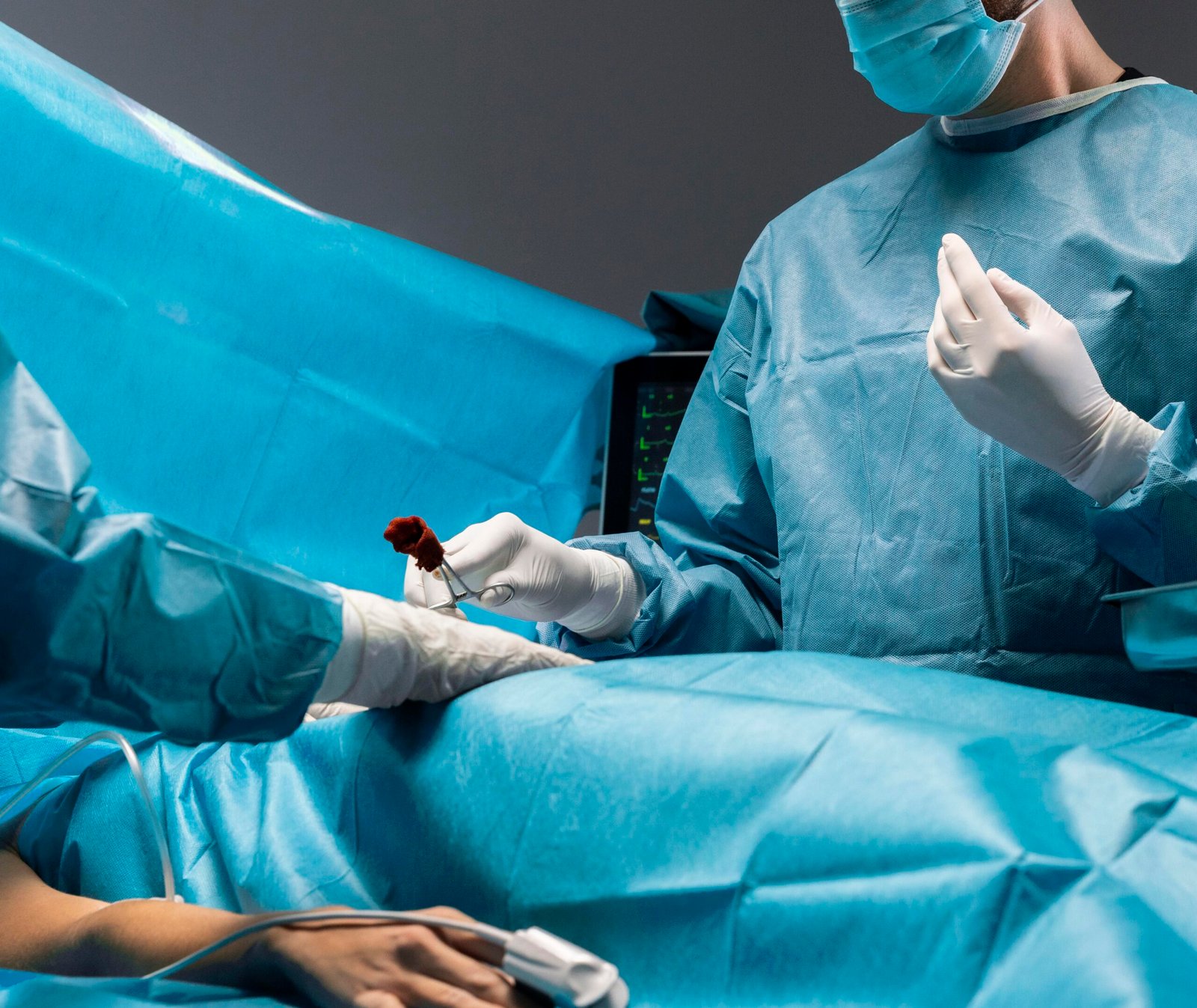
Advanced diagnosis, staging, surgical oncology, reconstruction, and personalized treatment planning for cancers affecting the head and neck region.
Advanced diagnosis, surgical oncology, and personalized treatment planning for cancers affecting the oral cavity, throat, voice box, thyroid gland, and other head & neck structures.
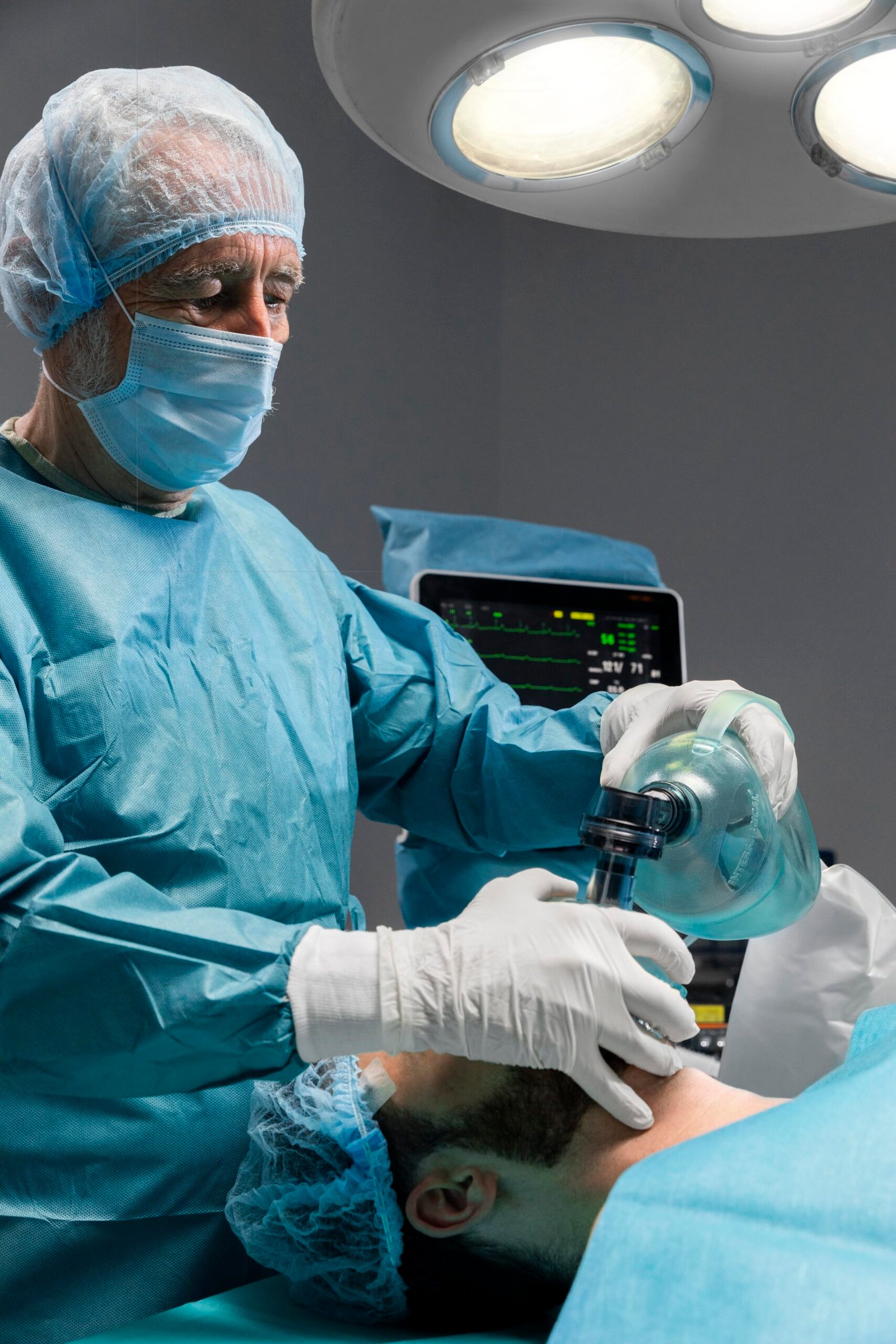
Comprehensive management of cancers affecting the lips, cheeks, gums, palate, and oral cavity structures.
Oral Oncology
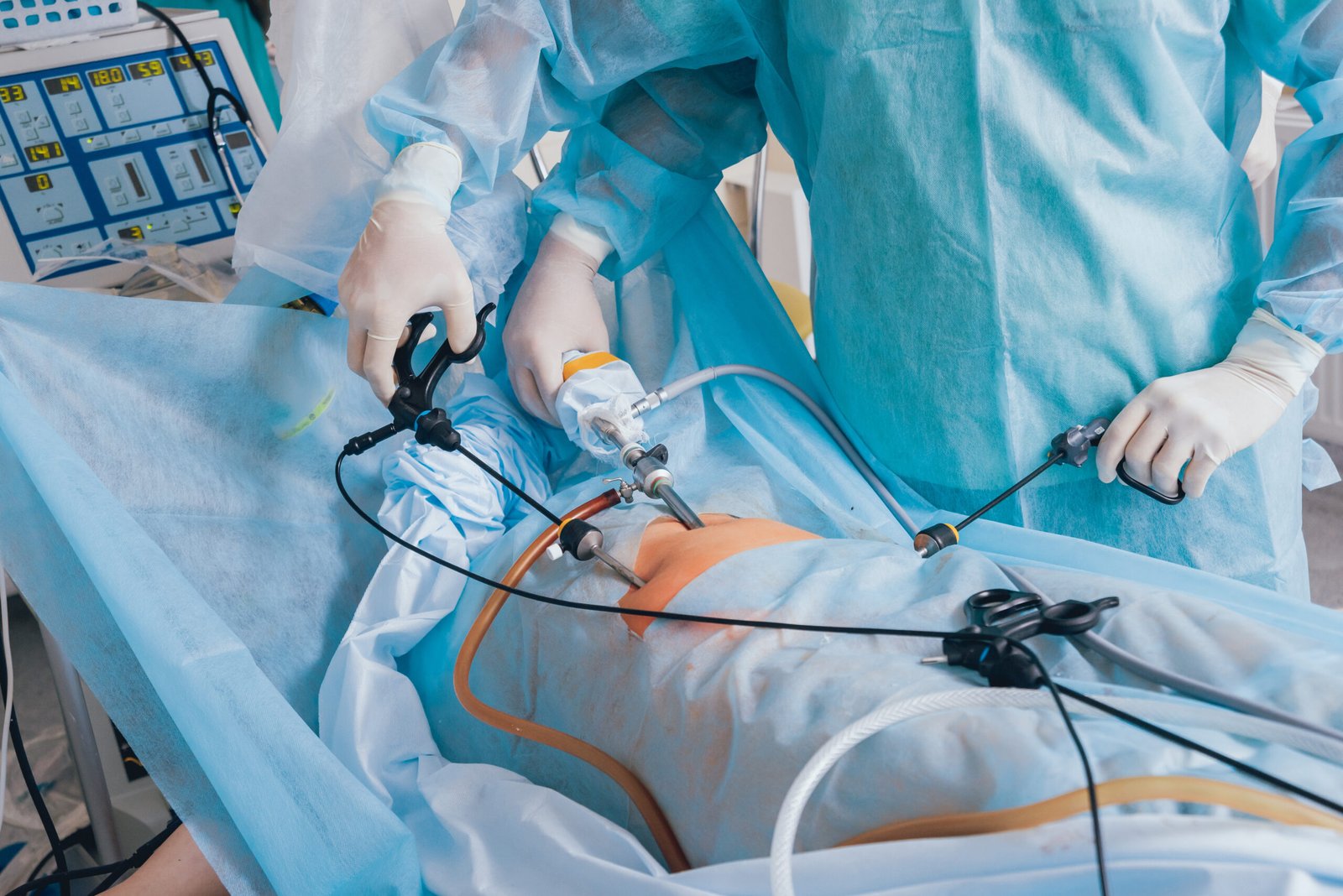
Specialized treatment planning focused on cancer control while preserving speech and swallowing function.
Functional Preservation
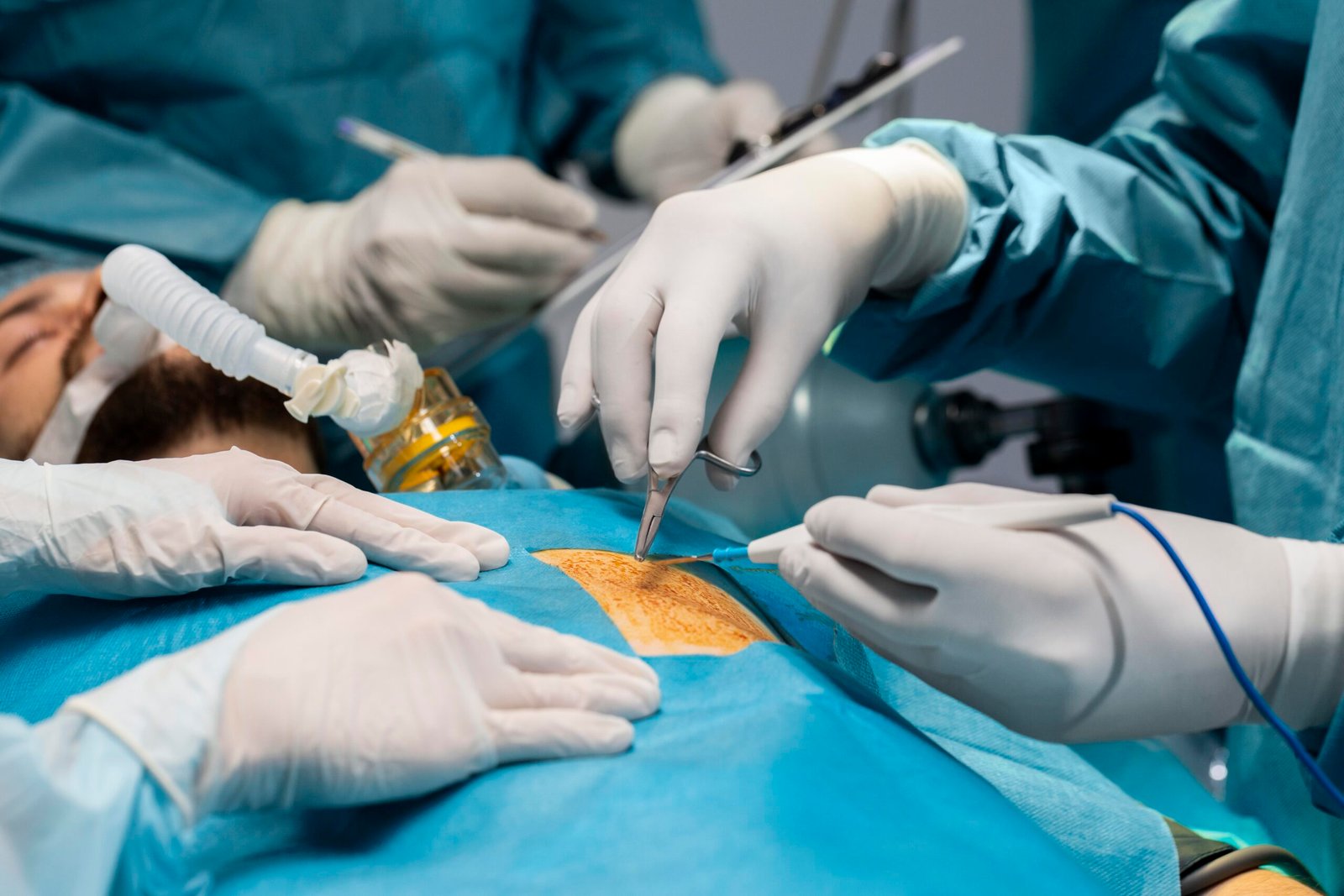
Advanced evaluation and management of cancers involving the pharynx and surrounding throat structures.
Pharyngeal Cancer
Comprehensive care for cancers of the voice box with emphasis on treatment outcomes and quality of life.
Voice Box Cancer
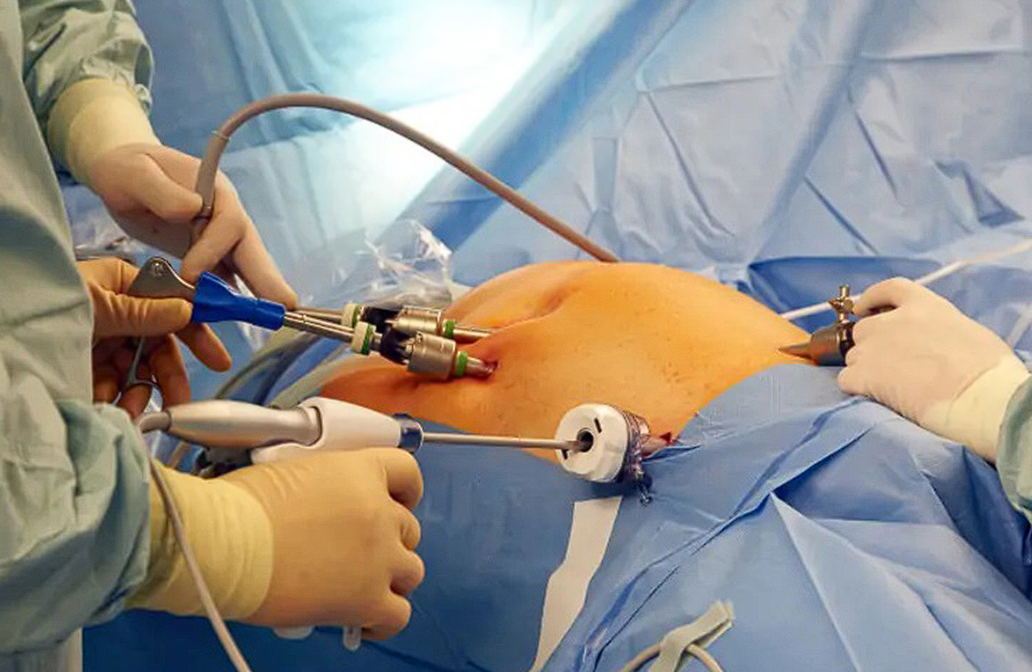
Personalized treatment strategies for thyroid malignancies using evidence-based surgical oncology principles.
Endocrine OncologyTreatment recommendations are based on cancer location, stage, pathology findings, imaging studies, functional considerations, and overall patient health to create an individualized treatment pathway for every patient.

Head & neck cancers often begin with subtle symptoms. Persistent changes involving the mouth, throat, voice, or neck should always be evaluated promptly.
Mouth ulcers that persist for several weeks without healing should be medically assessed.
Ongoing throat discomfort that does not improve may require further evaluation.
Pain, discomfort, or difficulty swallowing should not be ignored.
Recognizing symptoms early may help identify head & neck cancers sooner and support more effective treatment planning.
Persistent hoarseness or unexplained voice changes may require specialist assessment.
A painless or enlarging lump in the neck should always be evaluated.
Persistent ear pain without an obvious ear condition can sometimes be related to head & neck cancers.
Persistent mouth ulcers, swallowing difficulties, voice changes, neck swelling, throat discomfort, or unexplained ear pain should never be ignored. Early evaluation can help determine the underlying cause and guide appropriate treatment decisions.
Comprehensive diagnosis, surgery, and advanced treatment for cancers affecting the oral cavity, throat, voice box, thyroid, salivary glands, and surrounding structures with personalized cancer care.
Specialized treatment for oral cancer, tongue cancer, throat cancer, laryngeal cancer, thyroid cancer, salivary gland tumors, and neck cancers. Treatment plans are tailored to achieve effective cancer control while preserving speech, swallowing, appearance, and quality of life.
Comprehensive surgical treatment with reconstruction techniques designed to preserve function and appearance whenever possible.
Advanced treatment approaches focused on cancer control while maintaining speech and swallowing functions.
Specialized thyroid cancer surgery and treatment planning using evidence-based techniques for optimal outcomes.
Expert management of benign and malignant salivary gland tumors with precision surgical care.
Comprehensive multidisciplinary treatment for complex head and neck tumors and advanced cancer cases.
Successful treatment begins with an accurate diagnosis and detailed staging assessment to understand the extent of disease and determine the most appropriate treatment pathway.
Detailed head and neck evaluation.
Direct visualization of suspicious areas.
Tissue diagnosis and confirmation.
Assessment of tumor size and spread.
Detailed soft tissue evaluation.
Advanced staging investigations.
Personalized multidisciplinary planning.
Every treatment recommendation is guided by clinical examination, pathology findings, imaging studies, and multidisciplinary expertise. A thorough diagnostic workup helps determine cancer stage, treatment options, and the most appropriate individualized care pathway.
Treatment recommendations are individualized based on tumor location, stage, pathology findings, functional considerations, and overall patient health.
Surgical removal of tumors affecting the lips, gums, cheeks, palate, and oral cavity structures.
Oral OncologyAdvanced procedures focused on complete cancer removal while preserving speech and swallowing whenever possible.
Functional PreservationSpecialized treatment for cancers involving the voice box and surrounding structures.
Voice Box CancerModern surgical management of thyroid cancers using individualized treatment planning.
Endocrine OncologyRemoval of affected lymph nodes to improve disease control and support comprehensive treatment.
Regional ControlRestoration of appearance and function following cancer removal using advanced reconstructive techniques.
Quality Of LifeEvery treatment plan is developed using clinical findings, pathology reports, imaging studies, and multidisciplinary expertise. The goal is to achieve effective cancer control while preserving speech, swallowing, appearance, and overall quality of life whenever possible.
Modern treatment planning focuses on preserving function, appearance, communication, and long-term quality of life whenever possible.
Head and neck cancers can affect speech, swallowing, breathing, eating, and facial appearance. Treatment planning aims not only to control cancer but also to maintain essential daily functions whenever medically appropriate.
Careful treatment planning helps maintain communication abilities whenever feasible.
Protecting eating and swallowing function remains an important consideration.
Advanced reconstructive techniques help restore appearance after surgery.
Recovery planning supports return to daily activities and overall well-being.
Treatment decisions are individualized to balance effective cancer management with preservation of function, appearance, and quality of life, ensuring comprehensive care throughout the treatment journey.
Successful treatment often requires collaboration between multiple specialists to ensure accurate diagnosis, effective treatment planning, functional preservation, and comprehensive long-term care.
Every patient benefits from coordinated evaluation and treatment planning involving oncology specialists, imaging experts, pathology teams, rehabilitation professionals, and supportive care services.
Specialized cancer surgery and treatment planning.
Advanced imaging for diagnosis and staging.
Accurate tissue diagnosis and reporting.
Precision radiation treatment planning.
Systemic therapy and cancer management.
Speech, swallowing, and recovery support.
From diagnosis and staging to treatment, recovery, and follow-up care, multidisciplinary collaboration helps ensure comprehensive management tailored to each patient's unique clinical needs.
Comprehensive treatment planning, advanced surgical expertise, and a patient-centered approach focused on both cancer control and quality of life.
Head and neck cancers require careful evaluation, precise surgical planning, and consideration of functional outcomes. Every treatment recommendation is tailored to the patient's diagnosis, stage, overall health, and long-term goals.
Evidence-based treatment strategies designed around individual patient needs.
Focus on maintaining speech, swallowing, and appearance whenever possible.
Integrated care involving imaging, pathology, oncology, and rehabilitation specialists.
Ongoing monitoring and survivorship care after treatment completion.
Head & Neck Oncology Care
Surgical Treatment Planning
Decision Making & Recovery Support
Cancer Management Approach
Recovery after head and neck cancer treatment involves healing, rehabilitation, monitoring, and long-term follow-up care tailored to individual patient needs.
Initial recovery focuses on wound healing, symptom management, nutrition, and restoring daily comfort.
Support may include speech, swallowing, nutritional, and physical rehabilitation when required.
Scheduled follow-up visits help assess recovery progress and monitor for any concerning changes.
Ongoing care focuses on maintaining health, quality of life, and long-term cancer surveillance.
Recovery does not end when treatment is completed. Long-term follow-up, rehabilitation support, and regular monitoring remain important components of comprehensive head and neck cancer care.
A comprehensive consultation helps establish an accurate diagnosis, review investigations, discuss treatment options, and answer important patient questions.
Discussion of symptoms, medical history, and previous investigations.
Detailed head and neck examination to assess the condition.
Assessment of scans, biopsy reports, pathology findings, and staging information.
Review of suitable treatment options and expected outcomes.
Development of an individualized treatment and follow-up strategy.
Every patient receives detailed explanations regarding diagnosis, treatment options, expected recovery, and follow-up care to support informed decision-making throughout the treatment journey.
Answers to some of the most common questions regarding diagnosis, treatment, surgery, recovery, and long-term care.
Every diagnosis is unique. A consultation helps clarify treatment options and next steps.
Persistent mouth ulcers, voice changes, swallowing difficulties, neck lumps, and unexplained throat discomfort may require evaluation.
Treatment depends on cancer type, stage, location, and overall health. Early diagnosis often expands treatment options.
No. Treatment recommendations vary depending on the diagnosis and may involve different therapeutic approaches.
Functional preservation is an important part of treatment planning whenever medically appropriate.
Clinical examination, endoscopy, biopsy, CT scans, MRI, and PET-CT may be recommended based on the condition.
Follow-up schedules vary according to diagnosis, treatment type, and recovery progress.
If you have been diagnosed with head & neck cancer, have concerning symptoms, or would like a second opinion, schedule a consultation to discuss diagnosis, treatment options, and personalized care planning.
Personalized Evaluation & Treatment Planning
Indore, Madhya Pradesh
Appointment Assistance Available
Answers to some of the most common questions regarding diagnosis, treatment, surgery, recovery, and long-term care.
Every diagnosis is unique. A consultation helps clarify treatment options and next steps.
Persistent mouth ulcers, voice changes, swallowing difficulties, neck lumps, and unexplained throat discomfort may require evaluation.
Treatment depends on cancer type, stage, location, and overall health. Early diagnosis often expands treatment options.
No. Treatment recommendations vary depending on the diagnosis and may involve different therapeutic approaches.
Functional preservation is an important part of treatment planning whenever medically appropriate.
Clinical examination, endoscopy, biopsy, CT scans, MRI, and PET-CT may be recommended based on the condition.
Follow-up schedules vary according to diagnosis, treatment type, and recovery progress.