Cancer Treatments & Surgeries in Indore
Cancer treatment requires a precise and well-planned approach tailored to the type, stage, and location of the disease. Surgical oncology plays a central role in managing many cancers, offering the possibility of complete tumor removal and long-term disease control.
At OncoSurgeon Indore, treatment strategies are designed after thorough evaluation, ensuring that each patient receives the most appropriate and effective care.

Role of Surgery in Cancer Care
Surgery is often the primary treatment for many cancers, especially in early and localized stages. It helps remove tumors, reduce tumor burden, and improve the effectiveness of treatments such as chemotherapy and radiation therapy.
In advanced cases, surgery may also be part of a combined treatment strategy designed to improve long-term outcomes, symptom control, and overall quality of life.
Precise Tumor Removal
Focused surgical planning helps achieve complete tumor clearance whenever possible.
Combined Treatment Approach
Surgery may be integrated with chemotherapy or radiation for better outcomes.
Improved Quality of Life
Advanced surgical care focuses on recovery, function preservation, and long-term health.
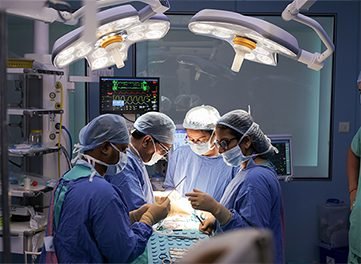
Specialized Cancer Surgery & Treatment Areas
Different cancers require specialized surgical approaches based on tumor location, disease stage, and treatment goals. Advanced surgical oncology focuses on precision, safety, functional preservation, and long-term recovery outcomes.
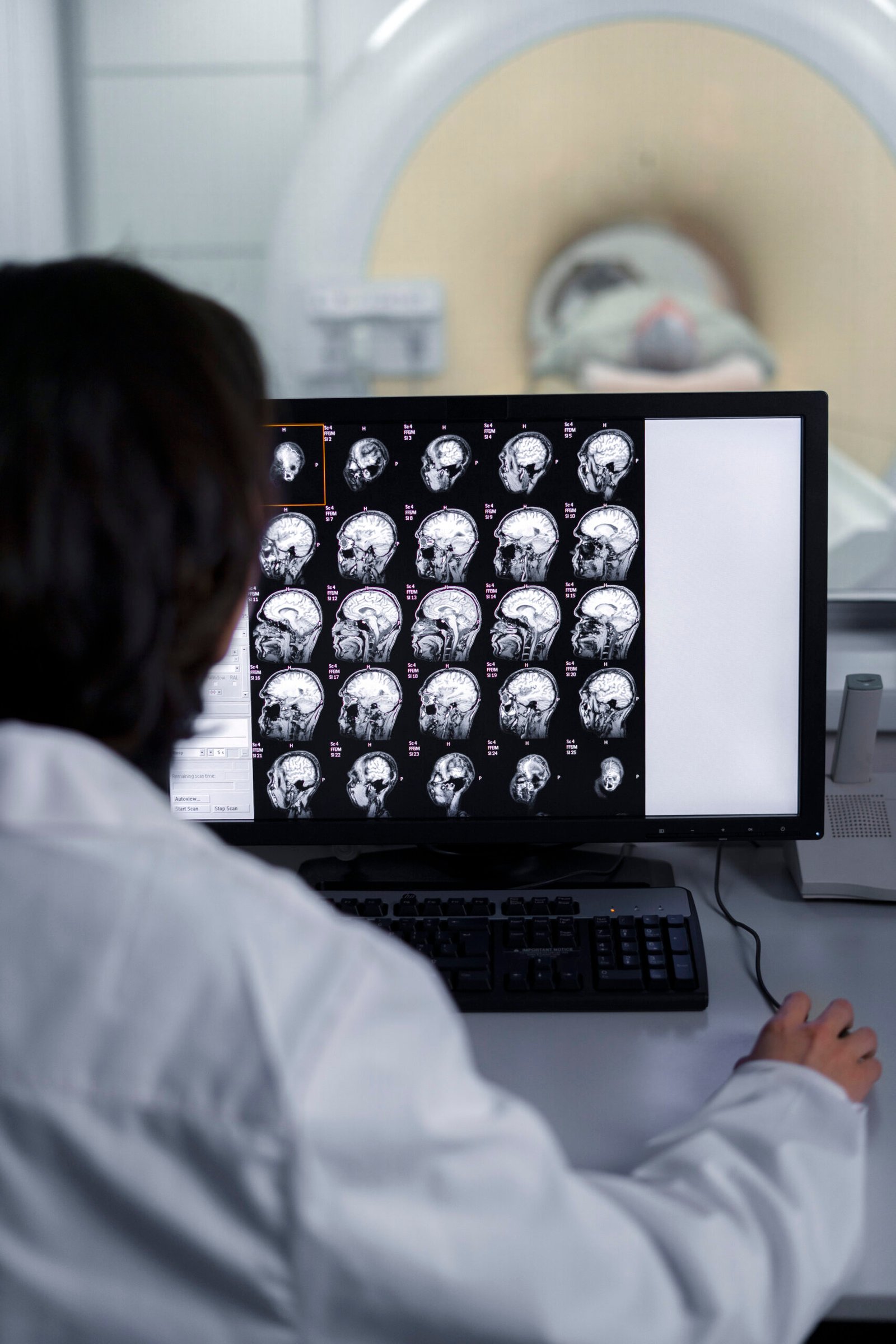
Head & Neck Cancer Surgery
Specialized surgical treatment for cancers involving the oral cavity, tongue, throat, thyroid, salivary glands, and neck structures with emphasis on preserving speech, swallowing, breathing, and appearance whenever possible.
Modern surgical oncology techniques focus on precise tumor clearance combined with reconstruction and functional preservation for improved recovery and quality of life.
Explore Treatment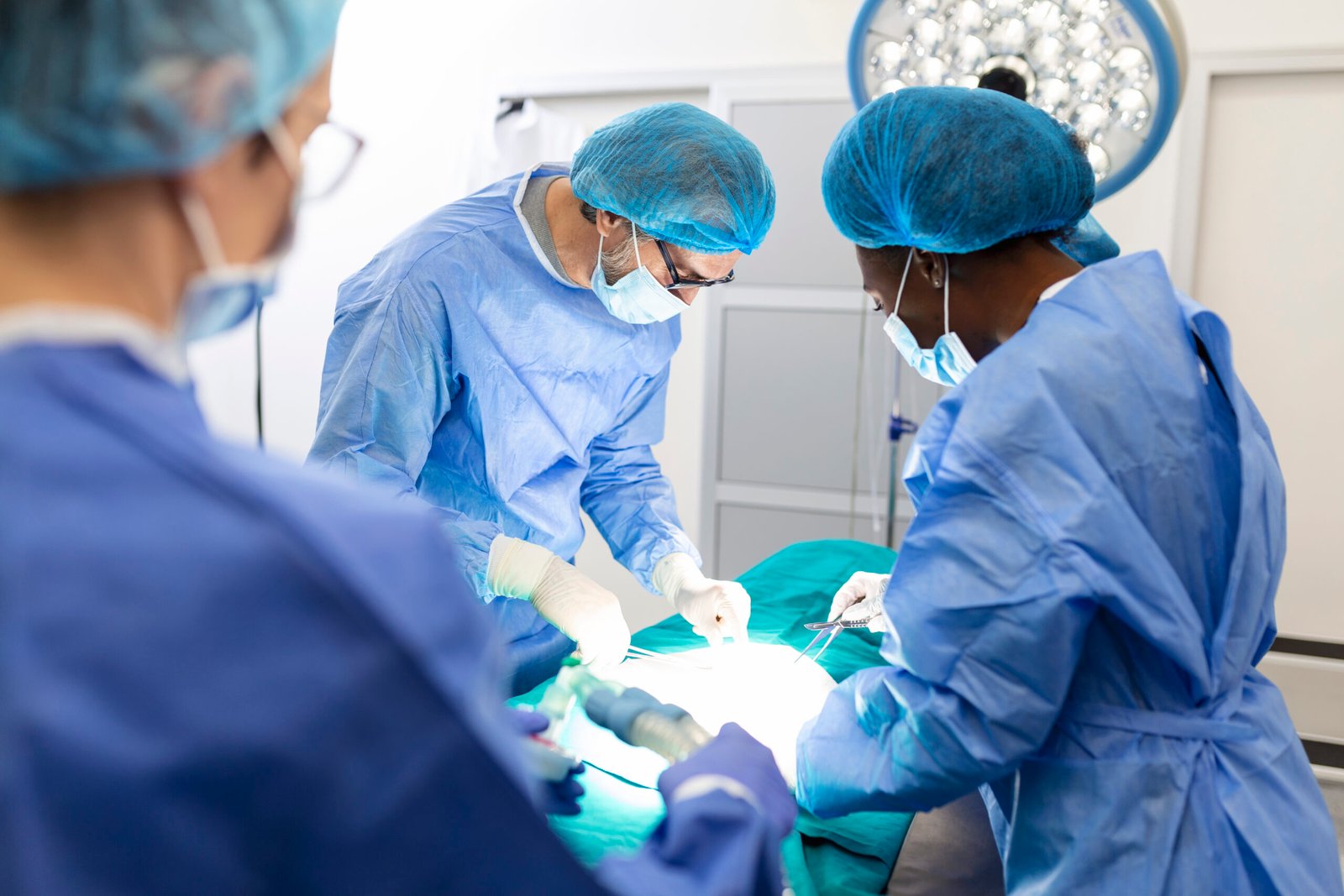
Breast Cancer Surgery
Includes breast conservation surgery, mastectomy, sentinel lymph node evaluation, and reconstructive procedures tailored to individual treatment requirements.
Learn More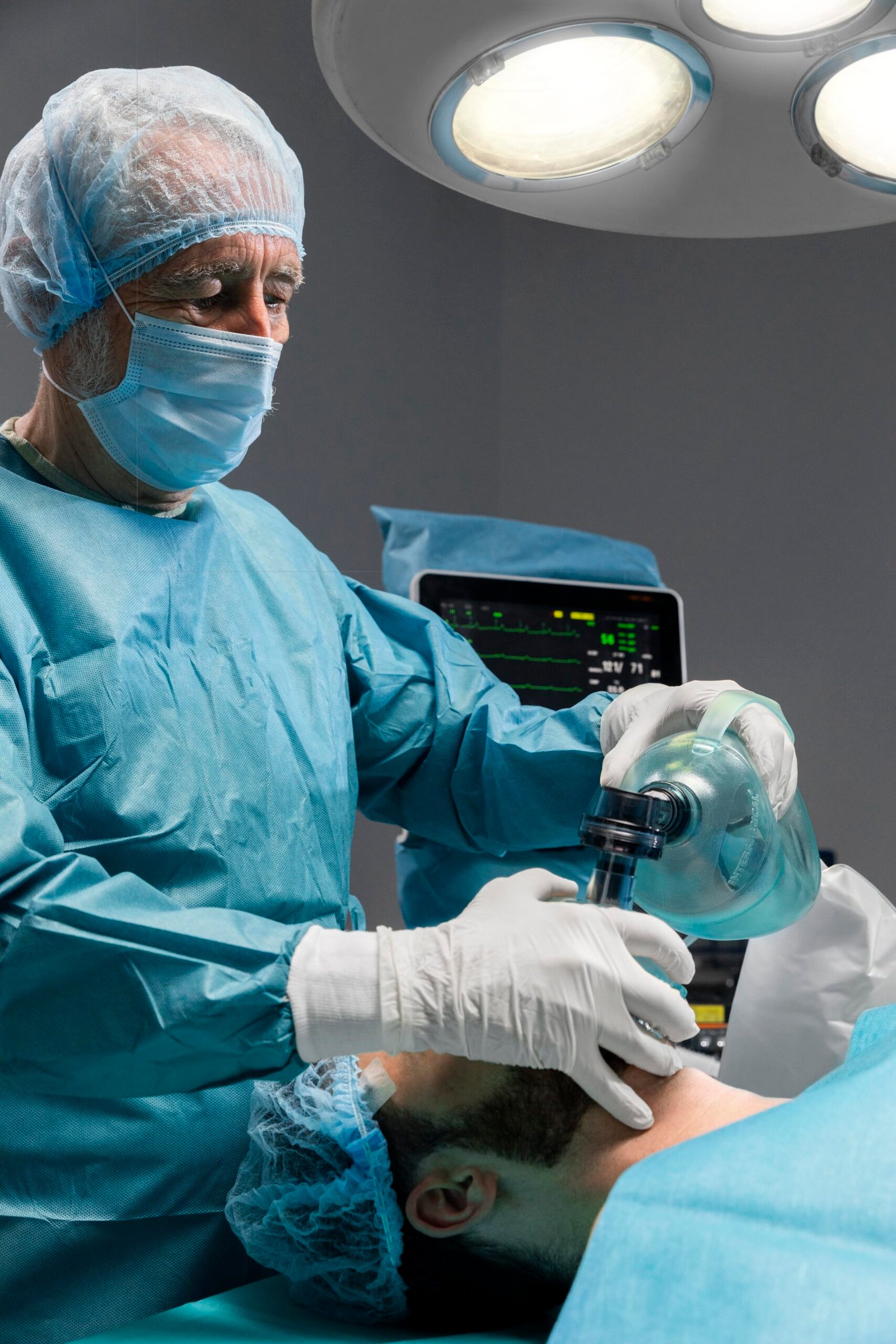
Thoracic Cancer Surgery
Specialized treatment for lung and esophageal cancers using minimally invasive and advanced precision-focused thoracic surgical approaches.
View Procedures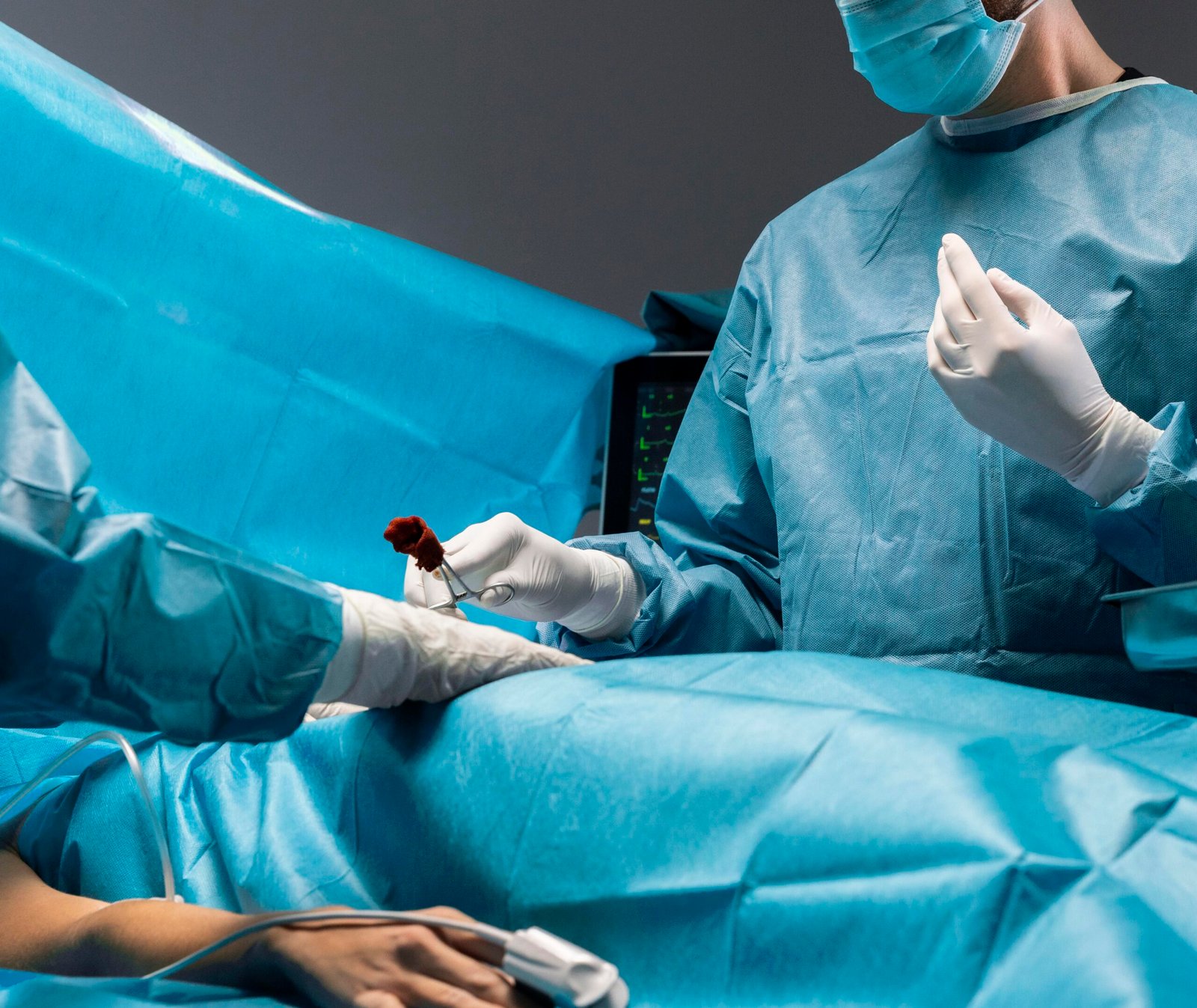
Gastrointestinal Cancer Surgery
Surgical management for stomach, colorectal, pancreatic, liver, and intestinal cancers using modern oncology techniques and individualized planning.
Explore GI Care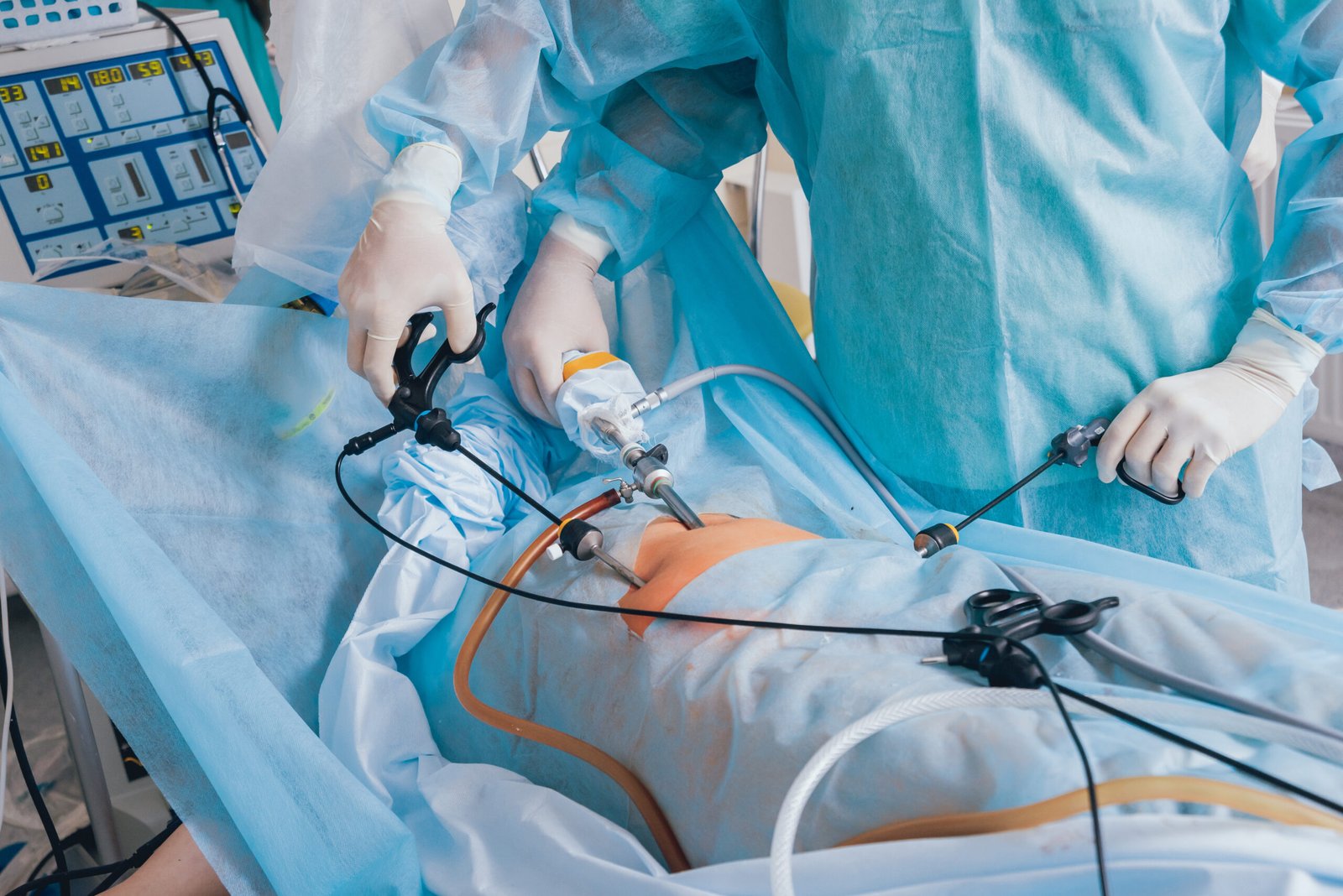
Gynecologic Cancer Surgery
Specialized management of ovarian, uterine, cervical, and related gynecologic cancers with individualized surgical treatment planning.
Learn More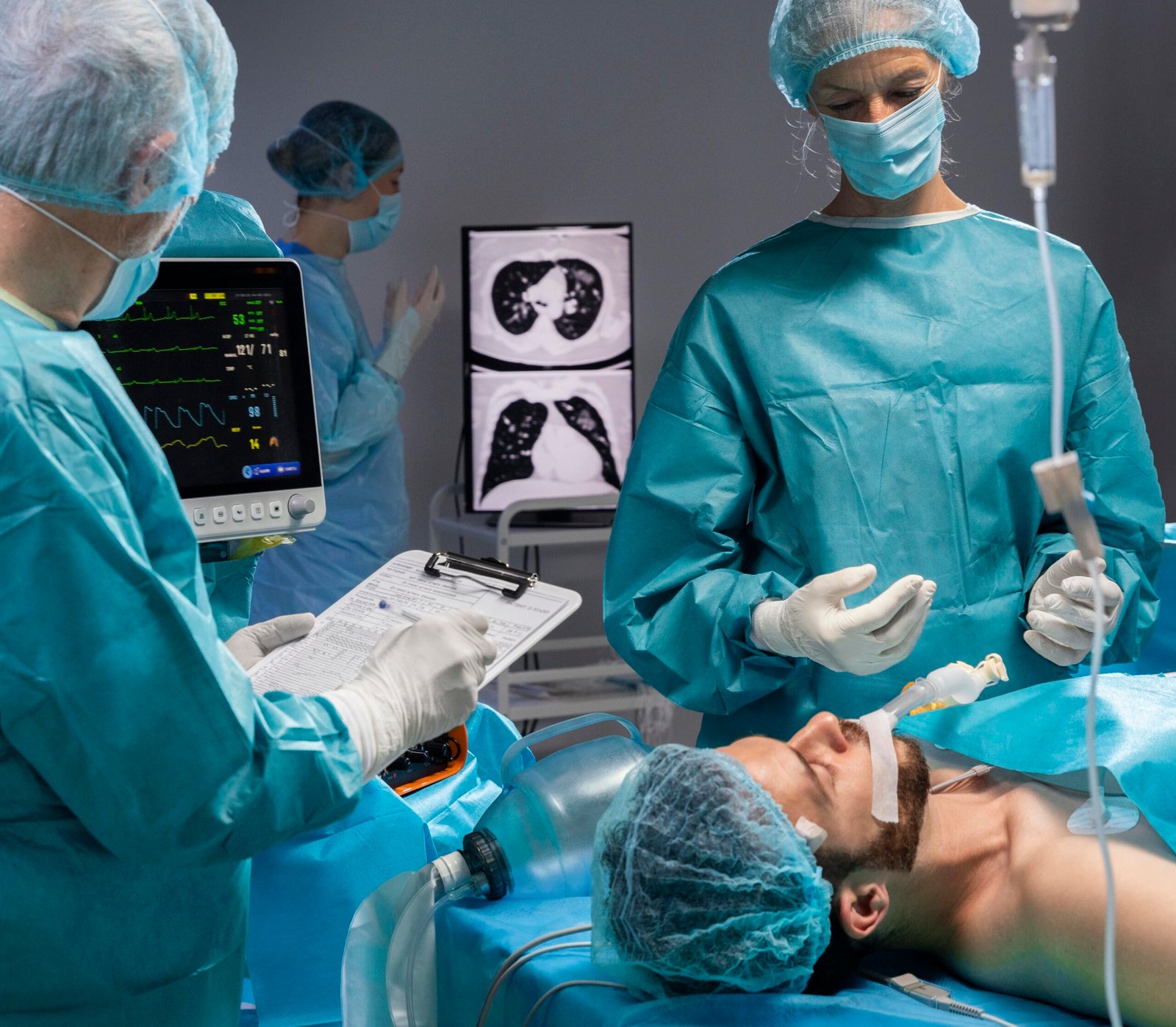
Urologic Cancer Surgery
Surgical treatment for kidney, bladder, adrenal, and urinary tract cancers with organ-preserving approaches whenever medically possible.
View TreatmentMinimally Invasive & Advanced Surgical Systems
Modern surgical oncology combines advanced technology, minimally invasive techniques, and precision-focused planning to improve surgical accuracy, reduce recovery time, and enhance patient outcomes.
Depending on cancer type, stage, and overall health condition, advanced procedures are selected to ensure safe tumor removal while minimizing trauma and preserving organ function whenever possible.
Laparoscopic Surgery
Smaller incisions with enhanced visualization for faster recovery and reduced post-operative discomfort.
Precision Surgical Planning
Personalized planning based on tumor staging, imaging, pathology, and organ preservation strategies.
Organ Preservation
Advanced surgical methods aimed at maintaining function, appearance, and quality of life whenever feasible.
Enhanced Safety Protocols
Focused on surgical precision, patient safety, infection control, and optimized recovery outcomes.
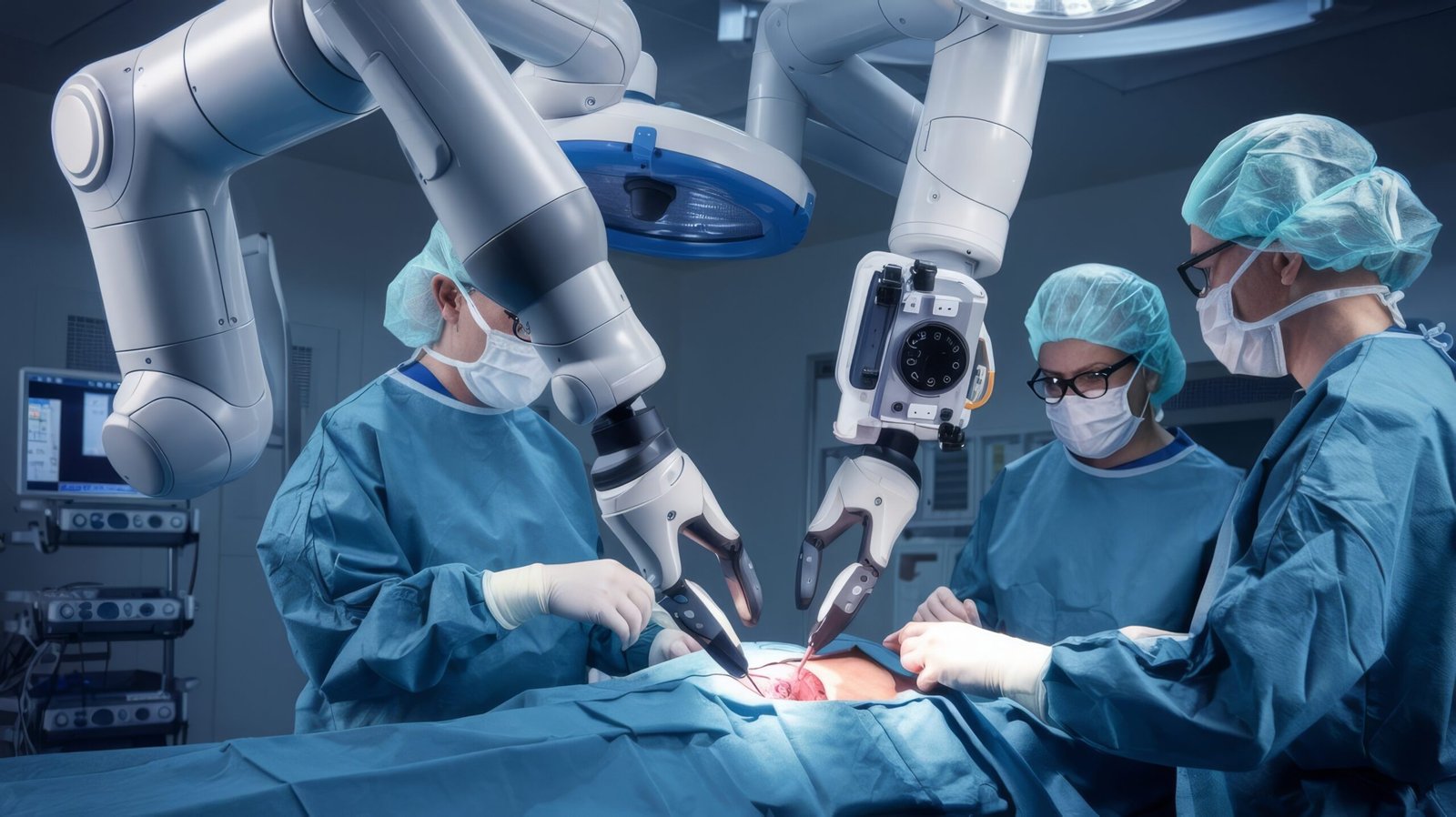
Modern Surgical Oncology Infrastructure
Advanced imaging support, minimally invasive systems, precision-guided oncology procedures, and multidisciplinary planning help deliver safer and more effective cancer surgery outcomes.
Integrated Cancer Treatment With Collaborative Expertise
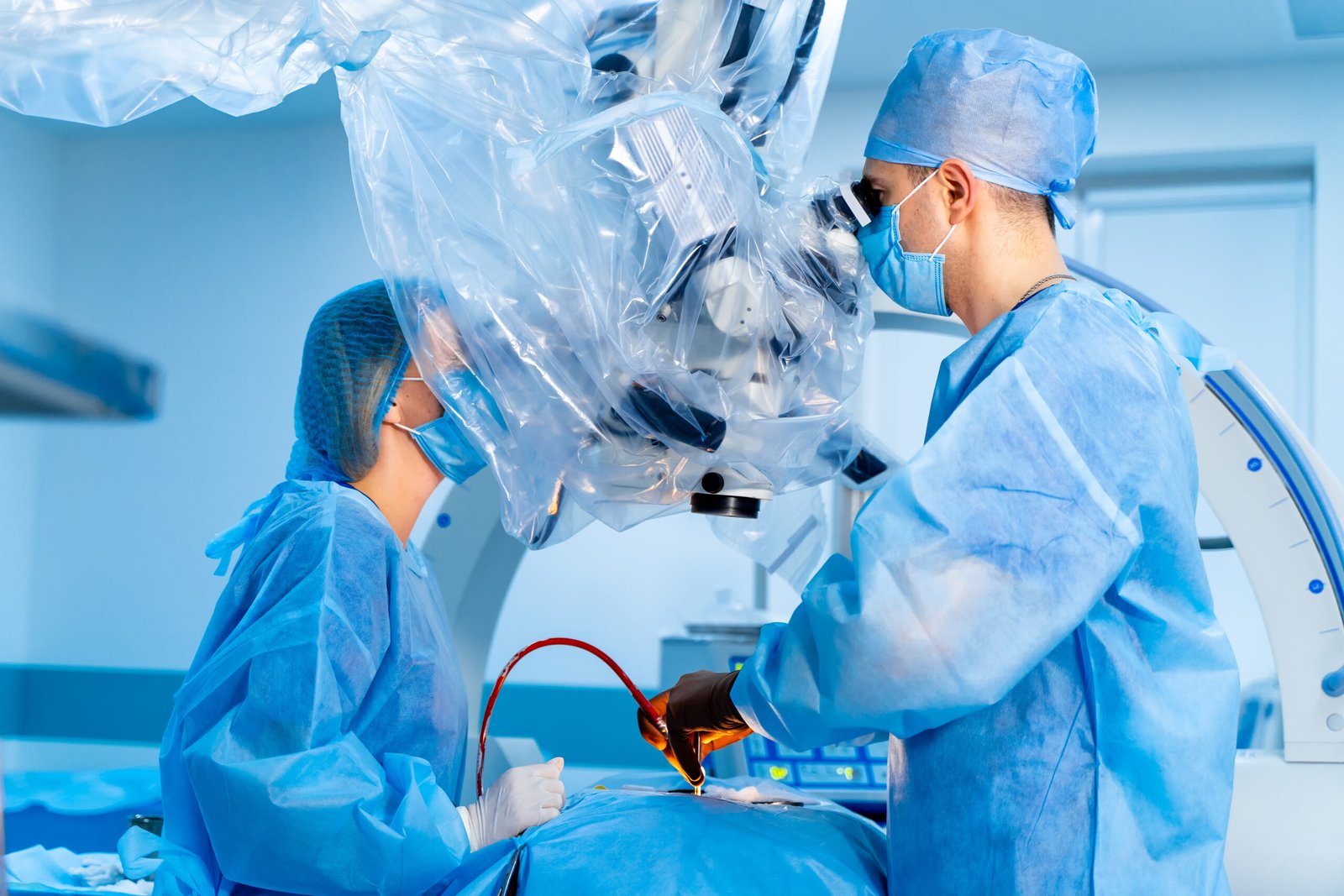
Effective cancer treatment requires coordination between multiple specialists, advanced diagnostics, surgical precision, and long-term patient support. Every treatment strategy is carefully planned through a multidisciplinary approach focused on safety, recovery, and improved outcomes.

Advanced Diagnostics & Staging
Clinical evaluation, imaging studies, biopsy analysis, and staging protocols help determine the most effective treatment approach for every patient case.
Explore Diagnostics
Personalized Treatment Strategy
Every treatment plan is tailored according to cancer type, stage, organ involvement, recovery goals, and overall patient health condition.
Book ConsultationPrecision-Driven Modern Cancer Surgery
Treatment is performed using advanced surgical techniques focused on safety, accuracy, faster recovery, and improved long-term outcomes for every patient. :contentReference[oaicite:0]{index=0}
Open Cancer Surgery
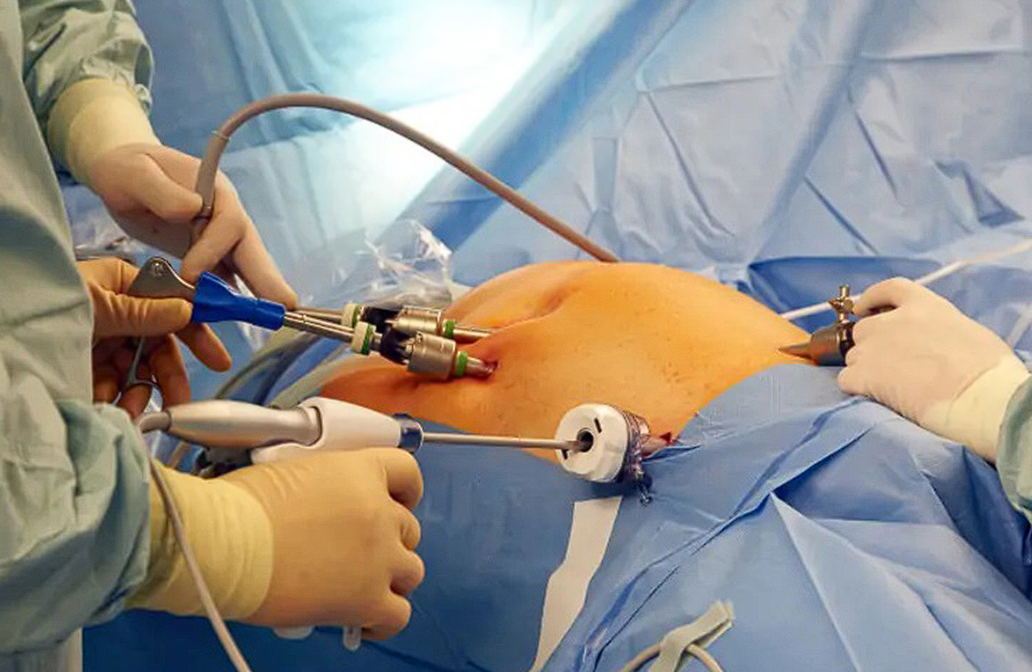
Used for complex tumor removal requiring direct surgical access and extensive oncologic precision.
Minimally Invasive Surgery
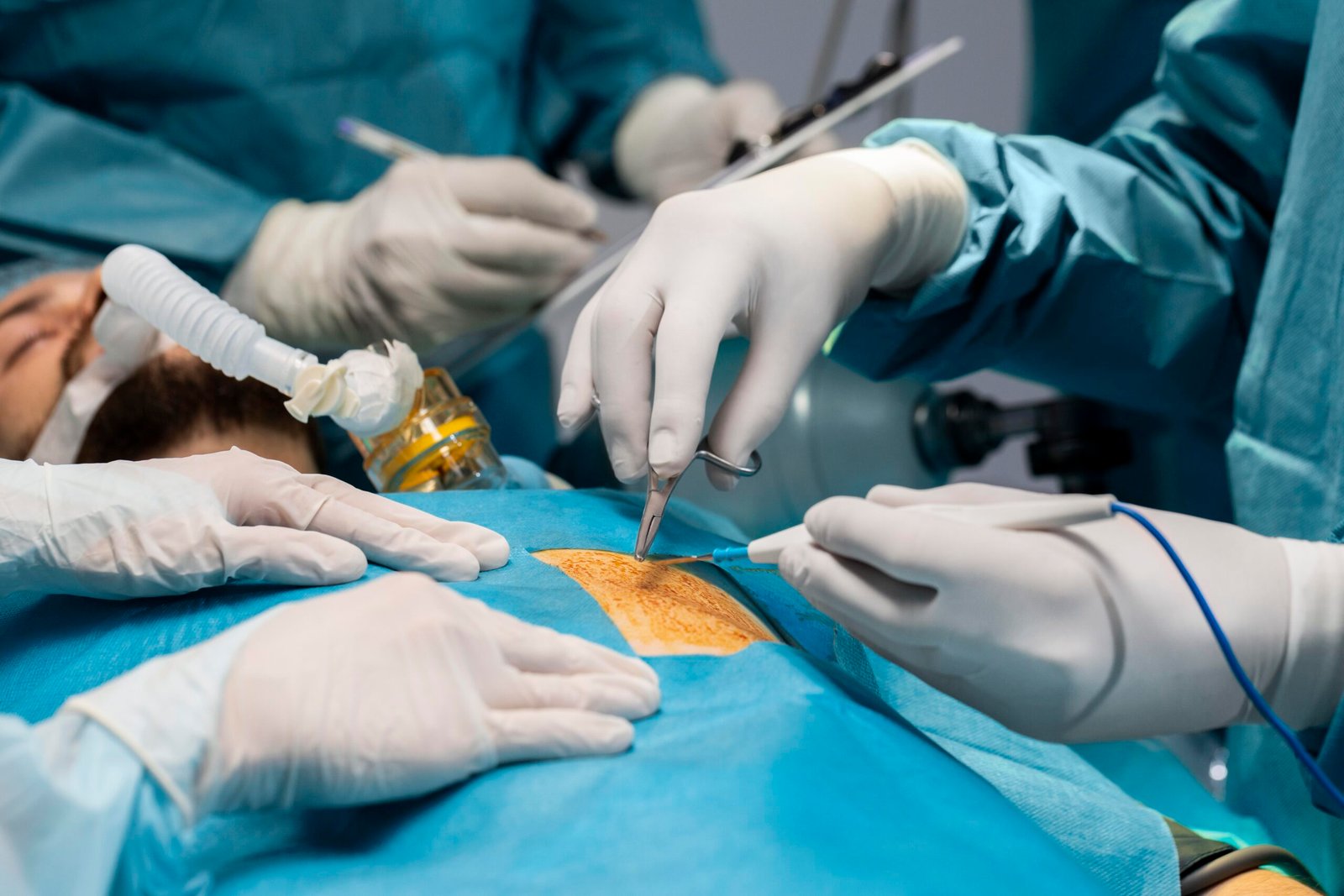
Smaller incisions, reduced pain, faster healing, and quicker return to daily activities.
Laparoscopic Surgery
Enhanced visualization and high surgical precision using advanced minimally invasive techniques.
Evidence-Based Surgical Oncology With Continuous Advancement
Continuous academic learning, research participation, and adoption of modern oncology advancements are essential components of high-quality cancer care. Treatment approaches are guided by evidence-based protocols and updated surgical practices.
Focus remains on improving patient outcomes through precision surgery, modern oncology planning, multidisciplinary collaboration, and continuous clinical development.
Evidence-Based Care
Treatment planning guided by updated oncology protocols and modern surgical standards.
Continuous Learning
Ongoing clinical development and adaptation of advanced surgical oncology practices.



Personalized Oncology Care Focused On Confidence & Recovery
Every patient receives individualized attention with detailed treatment discussions, recovery planning, and transparent communication to help patients and families make informed decisions confidently.
Clear Communication
Detailed explanations regarding diagnosis, treatment options, surgery, and recovery process.
Personalized Guidance
Treatment and recovery planning based on patient condition and cancer complexity.
Supporting Patients Through Every Stage Of Care
The goal extends beyond treating cancer — focusing equally on safety, recovery, emotional support, and improving overall quality of life during and after treatment.
Book ConsultationStart Your Treatment Journey With Trusted Surgical Oncology Care
Early diagnosis, accurate treatment planning, and timely surgical intervention play a major role in successful cancer management. Consultations are available for evaluation, second opinions, treatment planning, and advanced cancer surgery.
Every treatment approach is designed with a focus on precision, recovery, safety, and long-term patient well-being.

Comprehensive Cancer Care With Modern Surgical Expertise
From diagnosis and advanced surgery to post-treatment recovery and long-term follow-up, every stage of care is planned with precision and patient-focused support.